


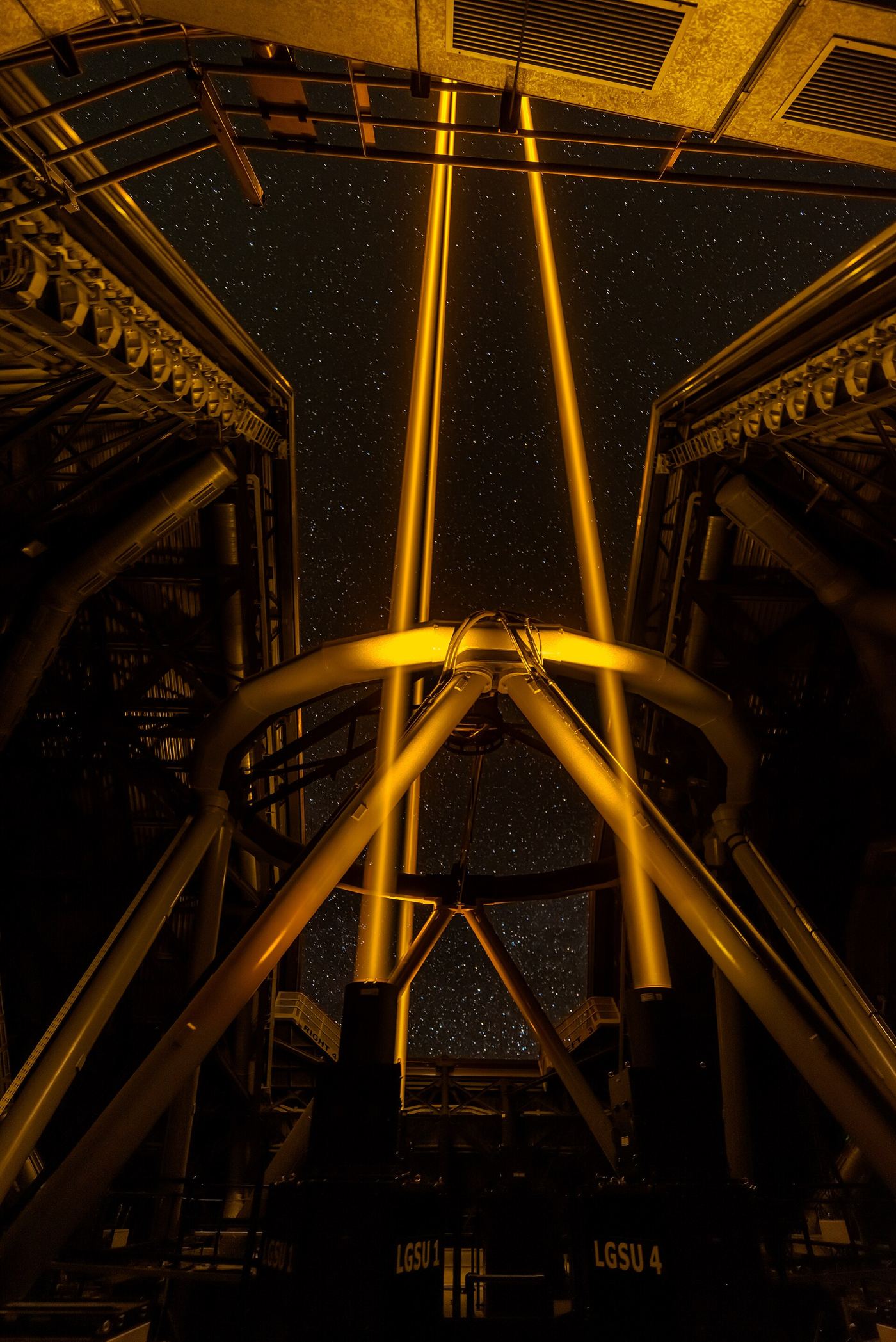
Smart telescopes are opening dark sky parks to visitors who once thought astronomy required years of practice and expensive equipment. Modern devices can find objects automatically, stack faint images in real time, and share a clear view on a tablet for a whole group at once. Park rangers say that accessibility changes the atmosphere of a night session. Families can compare planets, star clusters, and the Milky Way in a single evening, while experienced observers still enjoy darker skies than they find at home. The technology supports the wonder rather than replacing the experience of standing under genuinely dark skies.
What the Evidence Shows
Dark sky parks protect that experience by limiting stray light, shielding lamps, and asking visitors to use red torches after sunset. Smart telescopes fit those rules well because their screens can be dimmed and shared quietly. Managers are adding booked viewing terraces, accessible paths, and short training sessions so beginners are not left struggling with unfamiliar kit in the dark. Local guesthouses benefit from overnight stays linked to clear sky forecasts. As interest grows, the challenge is keeping numbers manageable so silence, darkness, and wildlife remain the main attractions that made these parks special originally. Reporting and analysis from sources such as MIT Technology Review track the same developments, and specialists following smart telescopes meet dark skies say the direction is now consistent across independent lines of evidence.
The Wider Context
The wider context is an industry learning to ship capability and restraint together. Products built around smart telescopes meet dark skies now launch with safety evaluations, usage data and rollback plans as standard, because enterprise buyers and regulators ask for them in the first meeting. Companies that treated those questions as friction are discovering they have become the purchase criteria.
What Happens Next
What happens next for smart telescopes meet dark skies depends less on another breakthrough than on the unglamorous work of reliability, pricing and support. The buyers evaluating it now are not enthusiasts; they are operators with budgets and auditors, and their checklists will decide the timeline. On the evidence of the current pilots, the technology has earned the right to be judged by them. You can follow related developments in our coverage of technology.
There is a practical lesson in all of this for readers deciding what to do today. Start with the verified facts, be wary of anyone promising certainty, and prefer reversible steps while the evidence is still developing. Circumstances differ by country, income and personal situation, so general guidance should always be weighed against your own context before you act on it in any significant or lasting way.
It is also worth remembering how quickly the picture in this area has changed before. Positions that looked settled a few years ago have been revised as new data arrived, and the same humility is appropriate now. The strongest coverage of this subject, and the most useful advice, tends to come from sources that update their views openly when the facts move, rather than defending an earlier position long after it has stopped fitting the evidence available.
