


Artificial Intelligence (AI) is transforming how businesses operate—driving efficiency, accuracy, and scalability across every function. Two areas witnessing significant AI-led innovation are procurement and customer service. By automating repetitive processes and improving decision-making through intelligent insights, AI is reshaping the foundations of enterprise operations.
This article explores how Generative AI and AI agents are optimizing procurement, sourcing, and customer service processes—helping organizations save time, reduce costs, and enhance customer satisfaction.
Detroit Pistons vs Golden State Warriors match player stats showcased key performances from both teams. Golden State players dominated scoring and assists, while Detroit players focused on rebounds and defensive efforts. The stats reflected shooting accuracy, minutes played, and overall contributions that shaped the flow and outcome of the game.
The Evolution of AI in Enterprise Operations
Over the past decade, enterprises have shifted from using traditional rule-based automation to AI-driven orchestration. Unlike earlier systems that relied on static workflows, today’s AI models adapt, learn, and improve continuously.
With advancements in Large Language Models (LLMs), AI can now interpret unstructured data, understand context, and execute end-to-end tasks autonomously. This transformation is especially evident in complex, document-heavy areas like procurement and sourcing, as well as in customer-facing processes like order verification and service management.
Generative AI in Procurement and Sourcing
Procurement and sourcing have traditionally relied on manual data entry, vendor evaluation, and contract management—processes that are time-intensive and prone to human error. Generative AI is changing this landscape by bringing intelligence, automation, and contextual understanding to each stage of the procurement lifecycle.
Enhancing Decision-Making and Cost Optimization
Generative AI helps procurement teams analyze vast amounts of supplier data, market insights, and historical spend patterns to recommend optimal sourcing strategies. It can evaluate vendor performance, predict supply chain risks, and even suggest negotiation terms.
Through AI-driven insights, organizations can make more informed decisions—leading to cost savings and improved supplier relationships.
Automating Procurement Workflows
From drafting purchase orders to validating supplier documents, AI-powered systems can streamline every step of procurement. They can also extract data from contracts, invoices, and quotes, ensuring compliance with internal and external policies.
Solutions like Generative AI for Procurement and Sourcing by ZBrain automate document processing, supplier validation, and contract review. The platform integrates with enterprise data sources to enhance accuracy, minimize manual intervention, and accelerate turnaround times—making procurement faster and more strategic.
Improving Compliance and Risk Management
Procurement teams face continuous challenges in maintaining compliance across multiple jurisdictions and policies. AI can automatically detect anomalies, flag deviations, and generate compliance reports. This ensures that every transaction and supplier relationship aligns with corporate standards and regulatory frameworks.
AI in Customer Service: Beyond Traditional Automation
While procurement automation focuses on internal efficiency, AI in customer service drives external engagement and satisfaction. Traditional chatbots have evolved into intelligent AI agents capable of understanding intent, verifying information, and completing transactions in real time.
Transforming Order Verification with AI Agents
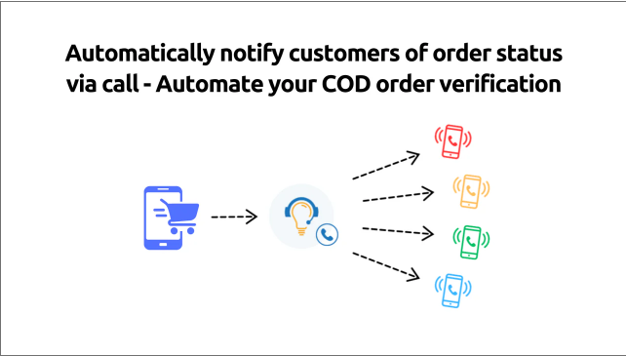
One of the most critical aspects of customer service is ensuring accurate order processing. Errors in verification can lead to shipment delays, revenue loss, and customer dissatisfaction. AI-powered Order Verification Agents are solving this by automatically validating orders against databases, invoices, and payment confirmations.
ZBrain’s Order Verification Agent automates the entire order-checking process. It uses LLMs to cross-verify details, detect inconsistencies, and notify human agents only when intervention is required. This drastically reduces turnaround time, boosts accuracy, and enhances customer confidence in service reliability.
Personalizing the Customer Experience
AI doesn’t just automate—it personalizes. Intelligent agents can analyze previous customer interactions, preferences, and purchase histories to deliver tailored responses. They can also adapt communication tone and content dynamically, ensuring a more human-like experience.
When integrated with CRM systems, these agents can resolve issues, initiate returns, or recommend products—all while maintaining consistency with the brand’s tone and policies.
Scaling Support with Intelligent Orchestration
AI enables organizations to scale their customer service operations without a proportional increase in human resources. By automating repetitive queries and complex back-end validations, businesses can maintain 24/7 responsiveness and improve customer satisfaction scores.
The Future: Unified AI-Driven Ecosystems
The next phase of enterprise transformation lies in integrated AI ecosystems—where procurement, finance, customer service, and supply chain systems interact seamlessly through intelligent orchestration platforms.
Connecting the Dots with AI Orchestration
Platforms like ZBrain enable enterprises to build, deploy, and manage AI agents across departments. These agents don’t work in silos; they collaborate—sharing insights, triggering actions, and continuously improving through feedback loops.
For example, data from procurement processes can automatically inform customer service agents about product availability or order timelines, ensuring proactive communication with clients. Similarly, insights from service interactions can guide procurement teams in identifying recurring supplier or logistics issues.
Conclusion
AI is no longer a futuristic concept—it’s a transformative force driving tangible business outcomes today. From optimizing procurement workflows to enhancing customer engagement, AI empowers organizations to operate smarter, faster, and with greater accuracy.
As Generative AI and intelligent agents continue to evolve, enterprises adopting these technologies will lead in innovation, efficiency, and customer trust. With platforms like ZBrain, businesses can orchestrate AI across functions—unlocking the full potential of automation and intelligence.
Read more:Connections Hint Forbes: Your Ultimate Guide to Mastering NYT Connections
