


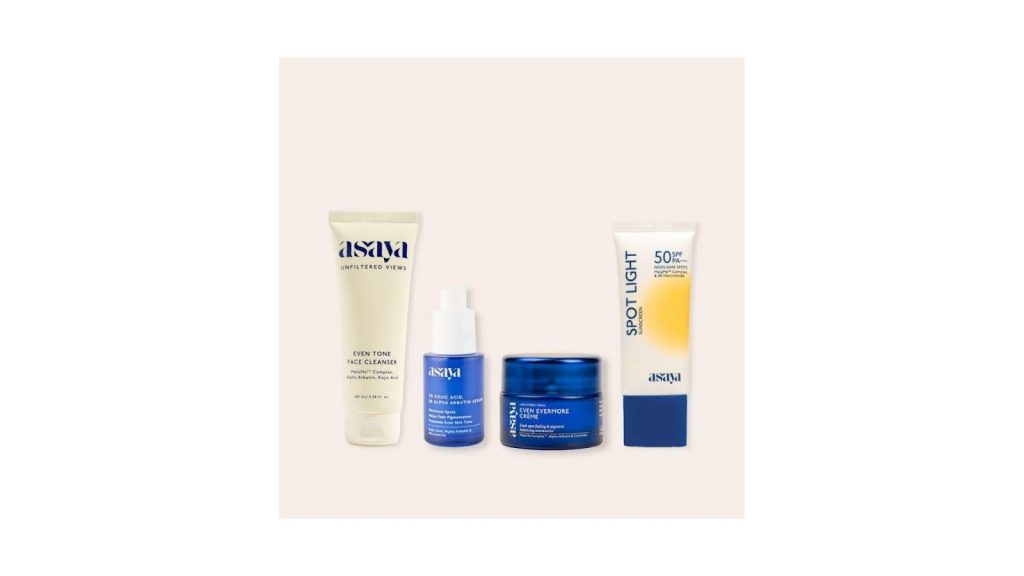
Achieving even-toned, radiant skin is a goal for many, and understanding how to address dark spots and uneven patches is crucial. With countless options available today, choosing the best hyperpigmentation products can make a significant difference in your skincare journey. Hyperpigmentation, often triggered by sun exposure, hormonal changes, acne scars, or aging, requires consistent care and effective solutions. Incorporating targeted products into a daily routine can help fade discoloration, protect your skin, and restore a natural glow.
Understanding Hyperpigmentation and Its Causes
Before selecting any product, it’s important to understand why hyperpigmentation occurs. There are several common triggers:
- Sun Exposure: Ultraviolet rays stimulate melanin production, leading to dark spots and uneven skin tone.
- Hormonal Changes: Pregnancy, birth control, and menopause can cause melasma, a form of hyperpigmentation.
- Post-Acne Marks: Acne can leave behind dark spots even after healing.
- Skin Injuries: Cuts, burns, or inflammation may result in discoloration.
Identifying the underlying cause helps in selecting the right treatment and ensures better results.
Ingredients to Look for in Hyperpigmentation Treatments
Certain ingredients are clinically proven to address pigmentation effectively. Opting for products with these elements enhances your chances of achieving visible improvement:
- Vitamin C: A powerful antioxidant that brightens the skin and reduces dark spots.
- Niacinamide: Helps to inhibit melanin transfer and improve skin texture.
- Retinoids: Stimulate cell turnover, fading dark patches over time.
- Hydroquinone: Lightens stubborn pigmentation when used under professional guidance.
- Kojic Acid: Reduces melanin production and offers a gentle brightening effect.
- Alpha Arbutin: A natural alternative to hydroquinone for reducing hyperpigmentation.
- Exfoliating Acids (AHA/BHA): Promote cell renewal and improve overall skin tone.
Using a combination of these ingredients in your routine can target hyperpigmentation from multiple angles.
Building an Effective Skincare Routine
Consistency is key when managing hyperpigmentation. A proper skincare routine involves cleansing, treatment, and protection:
- Gentle Cleansing: Start with a mild cleanser suitable for your skin type to remove dirt, oil, and impurities without irritation.
- Targeted Treatment: Apply serums or creams containing active ingredients like Vitamin C, niacinamide, or retinoids.
- Moisturizing: Hydrated skin heals better and responds more effectively to treatments.
- Sun Protection: Daily SPF application is crucial. Sun exposure can worsen pigmentation and counteract treatment efforts.
Combining treatment and protection ensures long-lasting results and prevents new pigmentation from forming. For those also interested in supporting healthy skin from within, biotin may be considered as part of a balanced nutritional routine.
Popular Formulations and Product Types
Hyperpigmentation treatments come in different formulations, catering to various preferences:
- Serums: Lightweight and highly concentrated, ideal for targeted application on dark spots.
- Creams and Lotions: Provide both hydration and treatment benefits for broader coverage.
- Masks: Offer intensive care with active ingredients for occasional use.
- Spot Treatments: Focused solutions for stubborn marks or acne scars.
- Exfoliating Products: Chemical or gentle physical exfoliants that enhance skin turnover.
Selecting the right format depends on your lifestyle, skin type, and severity of pigmentation.
Natural Remedies for Hyperpigmentation
Alongside skincare products, some natural remedies may complement treatment:
- Aloe Vera: Contains aloin, which can lighten pigmentation and soothe skin.
- Licorice Extract: Helps reduce dark spots and evens skin tone.
- Green Tea Extract: Antioxidants in green tea may protect against UV-induced pigmentation.
- Turmeric: Known for anti-inflammatory and brightening properties when used in moderation.
While these remedies are gentle, they often work best in combination with scientifically proven products.
Avoiding Common Mistakes
Many people unintentionally worsen hyperpigmentation due to improper care. Avoid these pitfalls:
- Skipping Sunscreen: Sun exposure can counteract even the most effective treatments.
- Over-Exfoliating: Excessive use of acids or scrubs may irritate skin and worsen dark spots.
- Using Too Many Actives at Once: Layering multiple potent ingredients can cause sensitivity.
- Ignoring Professional Advice: Persistent or severe pigmentation may require dermatologist supervision.
Being mindful of these mistakes helps maintain skin health and achieve better results.
Combining Treatments for Best Results
Sometimes, topical treatments alone may not be enough. Combining them with professional interventions can accelerate results:
- Chemical Peels: Remove the outer layer of skin, reducing pigmentation and improving texture.
- Laser Therapy: Targets deeper pigmentation for stubborn dark spots.
- Microneedling: Stimulates collagen production and enhances absorption of topical treatments.
Always consult a skincare professional to determine the best combination based on your skin type and concerns.
How Lifestyle Impacts Skin Health
Lifestyle choices can either support or hinder your hyperpigmentation treatment:
- Balanced Diet: Foods rich in antioxidants, vitamins, and minerals promote healthy skin.
- Hydration: Drinking enough water aids in skin repair and elasticity.
- Adequate Sleep: Proper rest supports natural skin regeneration.
- Stress Management: Chronic stress can exacerbate skin issues, including pigmentation.
Integrating these habits with your skincare routine enhances the overall effectiveness of treatments.
Selecting the Right Product for Your Skin Type
Not all hyperpigmentation products suit every skin type. Consider these guidelines:
- Oily Skin: Lightweight serums and gel-based treatments prevent clogging pores.
- Dry Skin: Creams or oil-based formulations provide hydration alongside treatment.
- Sensitive Skin: Products with gentle actives like niacinamide or alpha arbutin minimize irritation.
- Combination Skin: Layering lighter treatments on oily areas and richer creams on dry zones balances results.
Tailoring your choice ensures maximum efficacy and comfort.
Duration and Patience in Treatment
Hyperpigmentation treatments require time and patience. Visible improvement can take several weeks to months:
- Mild pigmentation may show results in 4-6 weeks.
- Moderate to severe pigmentation often requires 3-6 months of consistent use.
- Regular follow-ups with a dermatologist can help track progress and make adjustments.
Setting realistic expectations prevents frustration and encourages adherence to the routine.
Promoting Healthy Skin Maintenance
Even after achieving the desired results, maintaining skin health is important to prevent recurrence:
- Continue Using Sunscreen: Daily protection against UV damage is essential.
- Periodic Exfoliation: Keeps skin smooth and prevents buildup of dead cells.
- Seasonal Adjustments: Switch products or routines according to climate and skin needs.
- Regular Check-ups: Dermatologists can detect early signs of pigmentation and recommend preventive measures.
Sustaining these habits ensures long-term benefits and glowing skin.
Conclusion
Choosing the right treatments, following a consistent routine, and making healthy lifestyle choices collectively address hyperpigmentation effectively. The market offers a wide array of products designed to target dark spots, brighten skin, and restore a natural glow. For those seeking premium solutions, World of Asaya provides a curated selection of skincare essentials that combine efficacy and quality. By selecting trusted products and staying consistent, achieving clear, radiant skin is well within reach. Explore the collection at World of Asaya to find products suited to your skin’s unique needs and take the first step toward a luminous, even complexion.
