


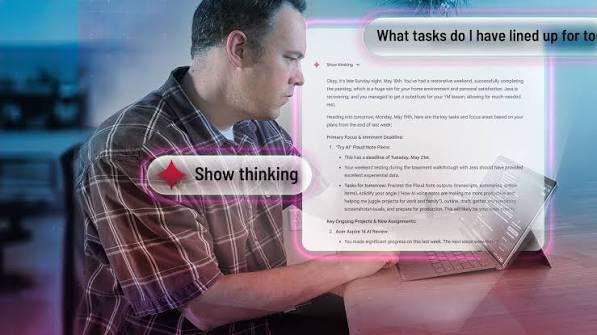
Concentration has now become a tough thing in the modern times where there is too much going around like notifications and other things. The problem with people nowadays is that while they begin their day with clear heads and intentions, they fail to finish anything because of their distractions.
The use of an AI Coach may prove beneficial in developing the structure and routine to manage the things properly. It can help users in organizing the things they need to do along with finding out about the problems they have and taking up the steps that are practical for them rather than depending on the motivators.
How an AI Coach Helps Identify Daily Priorities
A very useful technique for helping people concentrate on what needs to be done is knowing what is important enough to be attended to first. If there are lots of different actions to do on a to-do list, thinking about how to start may waste much precious time. Prioritizing is helpful because it will make everything clearer and will allow for a quicker move to getting things done.
An AI coach may assist in talking about the person’s obligations and coming up with an achievable first step. For instance, a student who needs to study for an exam will have to concentrate on learning something essential rather than looking at emails and organizing other tasks.
AI Coach Strategies for Time Blocking
Time Blocking includes setting aside specific time slots for certain activities. Instead of doing different things at random times, people choose times when they need to concentrate on work, communicate, rest and fulfill personal duties. Time Blocking is an efficient way to create a more organized time schedule and secure time for necessary activities.
The AI Coach helps users create a practical time-blocking strategy that takes into account their current commitments. For example, a person writing an essay could allocate thirty minutes for research, have a small pause and then dedicate some time to writing. The Liftora’s tasks and routines tools can be used during this process to keep the planned activities in sight.
Reduce Distractions with an AI Coach
Digital distractions are one of the main factors impeding the process of concentration. Social media alerts, messenger services, and habitual phone use can be distracting exactly at the point when the person makes a start to accomplish something. Coming back to work can take additional time especially when the distraction results in irrelevant web surfing.
In such cases, an AI Coach could help people to detect these distractions and think about how to cope with them. Liftora allows blocking apps that can help to avoid access to selected applications. When this function is combined with the goal and the scheduled break, there will be an optimal working environment created. Users need to refer to the current list of apps.
Build Consistent Focus Habits with an AI Coach
Improvement in daily concentration can be achieved if the useful behaviour is incorporated into a routine. Waiting to get motivated before concentrating on work can cause irregularity in concentration, especially during busy times. Setting a fixed start time, gathering all required material and starting with something small can make it easier to do tasks on a regular basis.
With the help of an AI Coach, people can make their vague goals into useful habits. Instead of making it his goal to spend hours studying everyday, a person can start by spending a few minutes working and then adapting the routine accordingly. The habit tracking tool from Liftora allows users to keep track of their selected behaviours and monitor their progress.
Use the Pomodoro Technique to Maintain Concentration
Pomodoro technique is a popular time management technique which breaks work into short intervals and pauses. Twenty-five minutes of working followed by five-minute pauses is a usual interval. But the most optimal interval will depend on the type of the work, personal preferences, and ability to concentrate on the task.
The AI coach may also suggest how work sessions can be incorporated into the schedule. For instance, when a person writes an assignment, he or she can spend one session planning a chapter and then another session developing ideas. Pause between the sessions allows to rest before going back to work.
Set Clear Goals and Track Progress
A vague goal makes it hard to understand what sort of effort would be considered focused. Becoming more productive and developing professional skills are some of the aims that may give guidance without explaining what ought to be done right away. It becomes much easier to see progress when you convert your intentions into particular actions.
An AI Coach could assist users in subdividing bigger goals into smaller parts and choosing which particular step to take first. The person who tries to learn some new skills in a digital environment would need to allocate time for doing some exercises and noting the results down. This is how Liftora can assist users in connecting their daily actions with their long-term ambitions.
Manage Mental Overload and Protect Break Time
Lack of focus is not necessarily caused by digital interruptions. The person’s overloaded schedule, unfulfilled tasks, and lack of chances to rest may cause difficulties with focus as well. Trying to perform all tasks instantly will only make the person feel more frustrated and make prioritizing harder.
The AI Coach will give an opportunity to discuss these difficulties and evaluate which tasks could be put off, simplified or split into several easier steps. The user will have the possibility to schedule pauses and allocate time for themselves. If the person experiences constant problems with concentration that interfere with their everyday routine, seeking professional help would be appropriate.
Review Your Routine and Improve Your Focus Strategy
The focus strategy must adapt as the responsibilities change. What is working for one week will not work when deadlines pile up or family obligations arise. Looking back on what has occurred allows users to figure out what works and what changes must be made.
AI Coach can help users reflect by looking at their plans, what they did, and any problems they had. This way, a user can determine whether the important tasks are easier to do in the morning or whether the meetings distract from completing work. Honesty is crucial since the digital record contains only the information that users enter.
Why Liftora Supports Everyday Focus and Accountability
Liftora incorporates various elements of daily organization in a single application. Users can talk using voice messages, discuss their priorities, organize their tasks, follow their habits, and look at the ability to block applications. The benefit of such an approach is that users could make a connection between the decisions they made within the session of coaching and the actions they plan to undertake throughout the day.
The benefit of the proposed solution is that it would be easy for users to track their plans and manage them. It allows users not to think about concentration as something that relies purely on the level of their willpower but develop a system of how they achieve it. Liftora can be found in the iOS and Android versions with free downloading and in-app purchasing.
Conclusion
The process of becoming more focused on a daily basis goes beyond just eliminating distractions or adding items to the to-do list. Priorities must be established, schedules organized, good habits formed, adequate breaks taken, and continuous evaluation conducted. Small changes can help to make daily responsibilities more manageable without requiring an ideal schedule.
Such an app as an AI Coach (Liftora) can help with this process by providing connections between conversational advice and task management, habit formation, and digital distractions elimination techniques. While the program cannot ensure that its user will stay focused and perform all his tasks, it can help to structure his actions and decisions. Realistic expectations and self-evaluation can bring about a viable strategy.
