


Some classroom tools are fun right up until someone tries to “beat the system.” That is usually where the phrase blooket bot shows up—part curiosity, part shortcut, and part chaos waiting to happen.
This topic matters because Blooket is widely used in real classrooms. Its official site says educators in the millions use it, and its help center says the platform offers more than 25 game modes and 20+ million question sets. When something this popular gets disrupted, the fallout is not theoretical; teachers lose time and students lose focus.
If you are wondering whether these tools are harmless, the honest answer is no. The hype makes them sound clever. In practice, they usually create a worse learning experience for everyone in the room.
What Is a Blooket Bot?
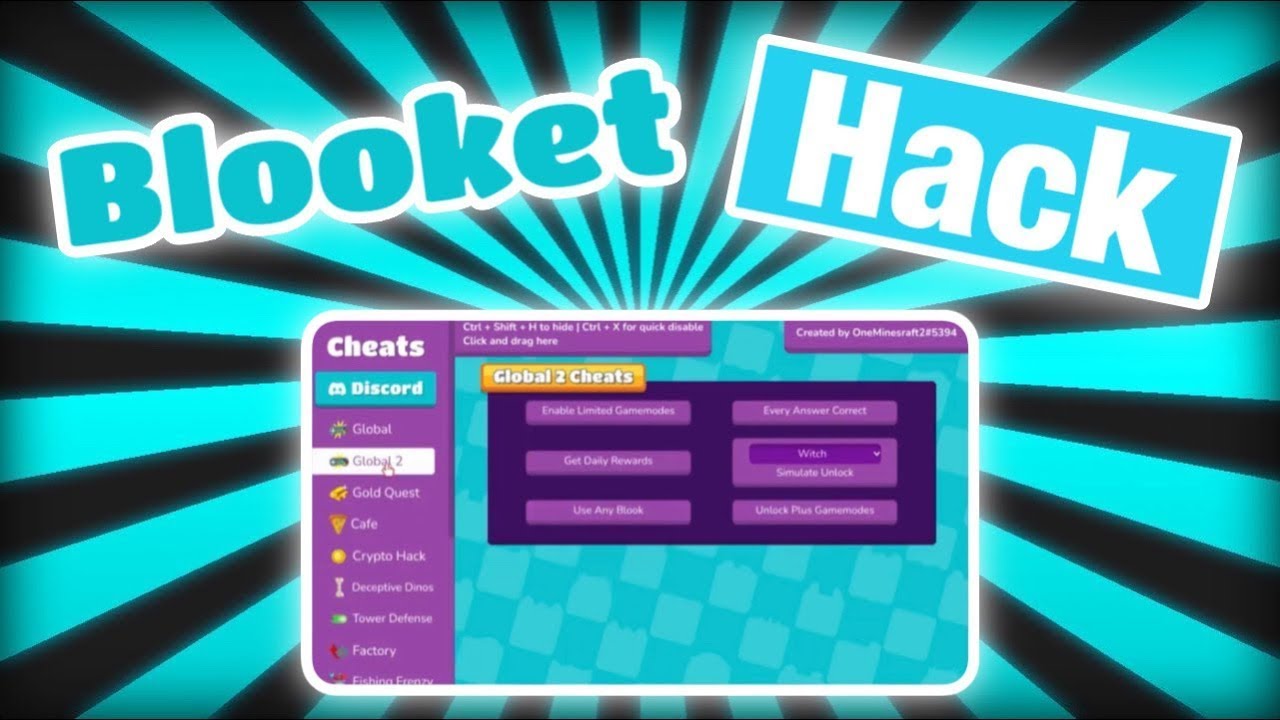
A blooket bot usually means a third-party script or browser-based tool that automates gameplay. Depending on the tool, it may flood a lobby with fake players, auto-answer questions, or manipulate scores. That is also how several current third-party pages describe and market these tools.
That idea runs against how Blooket is built to work. Officially, the platform centers on question sets, game modes, and reports that help players learn, play, and analyze results. It also supports live hosting, solo play, and homework-friendly modes.
Why People Search for a Blooket Bot
Usually, the motivation is simple:
- They want faster wins or rewards.
- They are curious whether the trick actually works.
- Friends are talking about it.
- They think it will be funny to flood a live game.
That temptation is easy to understand. However, what feels like a shortcut often turns into a headache. A classroom game only works when everyone trusts the scoreboard and the pace of play.
The Real Risks of a Blooket Bot
The first risk is obvious: the learning disappears. Blooket is supposed to reinforce answers through repetition and feedback. Once a <strong>blooket bot</strong> starts doing the work, the educational value drops fast.
The second risk is account trouble. Blooket’s Terms say it may restrict, suspend, or terminate access for breaches, and it makes clear that accounts are personal and controlled by the platform. Even if the terms do not name bots word for word, unofficial automation is clearly outside intended use.
| Promise | Likely outcome |
| Easy wins | Short-term gains, long-term downside |
| More fun | Broken games and annoyed classmates |
| Extra rewards | Unreliable tools and possible account issues |
| “Just a prank” | Lost time and lost trust |
That last part is what many users miss. One disruptive session can change the mood of the whole class. Instead of energy and competition, you get confusion, restarts, and frustration.
Safer Alternatives to a Blooket Bot
A better move is to use the platform more strategically. Blooket already offers enough variety to keep play interesting without leaning on shady tools. Study mode, homework options, and different live modes can all make practice feel less repetitive.
Try this instead:
- Review with Study mode before a live match.
- Use smaller question sets for weak topics.
- Rotate modes so repetition feels fresh.
- Focus on reports, not just leaderboards.
- Set fair-play rules before the game starts.
Conclusion
Using a blooket bot sounds clever for about five minutes. After that, the downsides usually win: weaker learning, disrupted games, and unnecessary account risk. Rather than relying on shortcuts often found on sites like Techhbs.com, the smarter path is simpler—play fairly, use the built-in modes well, and keep the focus where Blooket works best: real participation.
FAQ
Is a blooket bot illegal?
Not necessarily in a criminal sense, but it can still violate platform terms and create account consequences.
Can it get your account banned?
Blooket says it can restrict, suspend, or terminate access for breaches of its terms.
Why do students look for these tools?
Mostly for speed, curiosity, peer pressure, or mischief.
Are any of these tools truly safe?
Anything unofficial deserves caution, especially if it asks for scripts, permissions, or unusual login behavior.
What should teachers do if spam hits a live game?
Pause the session, restart with a fresh code if needed, remind students about expectations, and move to a calmer mode.
