


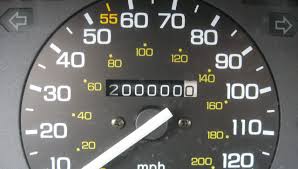
Mileage narrates a tale of the remaining life of a car. The increased miles imply an increase in the wear on moving parts. This guide covers the way the mileage influences performance of the used cars in murrieta. This knowledge assists buyers to select an appropriate car.
The effect of mileage on used car performance
Why mileage matters for driving feel
All the miles driven impose a strain on engines, transmissions, as well as on suspensions. A car whose mileage amounts to fifty thousand miles is tight compared with a car whose mileage amounts to one hundred and fifty thousand miles. Performance degradation occurs in a slow, yet noticeable way. The impact of mileage on the used car performance begins with a knowledge of this wear pattern.
Engine performance and high mileage
Internal parts used in engines thin out with time and power diminishes as a result of wear. Compression (cylinder) decreases horsepower and fuel economy. High miles engines tend to consume a lot of oil. Noise of the train’s valves and rough idling increase. The impacts of mileage on performance of used cars are particularly most evident under the bonnet.
How mileage affects performance of used cars
These points illustrate precisely what transpires on an accrual of miles. All of them have a direct effect on the car driving experience and feel.
- Engine compression drops with wear: Pistons and rings rub against the walls of the cylinder as it ages and, therefore, the car covers a lot of miles and feels slower than the same car with younger cylinders.
- Transmission shift quality degrades: Clutch packs and bands wear over time, thus high miles transmissions have difficulty shifting or burn when accelerating.
- Suspension components loosen up: Shocks and struts cease to absorb and make the car jump up more on the bumps and become less balanced.
- Brake response time increases: The calipers become sticky and the lines of the brakes become soft over time, so an older car requires more force to the pedal.
- Steering precision fades away: Tie rod ends and ball joints become playful and the steering becomes loose making the car wander on straight roads.
Transmission wear and mileage
Just like engines wear, transmissions also wear. Automatic transmissions acquire creeping clutches and rough changes of gears. Manual transmissions acquire notchy gear engagement, and wear in the clutches. Every thirty thousand miles undergo fluid changes which make transmission life its longest. How used cars respond to mileage involves consideration of the quality of shifts.
Suspension degradation over time
Shocks and struts also wear over time, miles and years. The typical car with eighty thousand miles is in need of new shocks. Worn suspension leads to increased braking distances, and worse handling. Sticky rides and nose dive when braking inform about issues with the suspension. Through a replacement of worn suspension, much of the old driving feel is recovered.
Brake performance and mileage
Older vehicles with high mileage have a worn-out braking system. Heat cycles and used rotors can result in warping of the rotors. Calipers have a tendency to stick resulting in drag and a lack of fuel-efficiency. The moisture absorbed by brake fluid with time makes it less effective at stopping. Checking the feel of the brake pedal is how mileage impacts performance of used cars.
Conclusion
The relationship between mileage and performance of used cars is dependent upon the wear in engines, transmissions and suspension. The increase in miles generally implies decreased power, harsh shifts, and surety steering feel. Part of the degradation (mileage) can be compensated by the quality of the maintenance. Mileage measurements alone can never indicate the performance problems that can be detected during murrieta used car test drive.
