


Key Takeaways
- Killeen heat, bright sun, dust, and outdoor parking can affect cabin comfort, paint, tires, and electronics.
- Shade, a windshield sunshade, regular washing, and prompt removal of road grime help limit long-term wear.
- Window film, paint protection, and interior care work best when selected for real driving habits rather than appearance alone.
- Safe tire pressure, clear lighting, reliable air conditioning, and sound electrical work matter as much as cosmetic upgrades.
- Children and pets must never be left alone in a parked vehicle, even briefly.
Killeen drivers deal with long sunny days, heat-soaked parking lots, dusty roads, and frequent trips around Fort Cavazos, Harker Heights, Temple, and Central Texas highways. A practical heat-care plan protects the vehicle from fading, grime, and unnecessary wear while making daily commutes more comfortable. Options such as ceramic coating for cars in Killeen, TX can be part of that plan, but the best results begin with consistent habits. Direct sun can make a cabin uncomfortable within minutes, place more demand on the air-conditioning system, and expose dashboards, leather, vinyl, and fabrics to ultraviolet light. High temperatures can also reveal weak batteries, aging weather stripping, worn tires, and poorly protected accessories. Dark paint and exterior trim are especially likely to show dust, water spots, and fading when a vehicle spends most days outdoors.
Start With a Simple Vehicle Heat Check
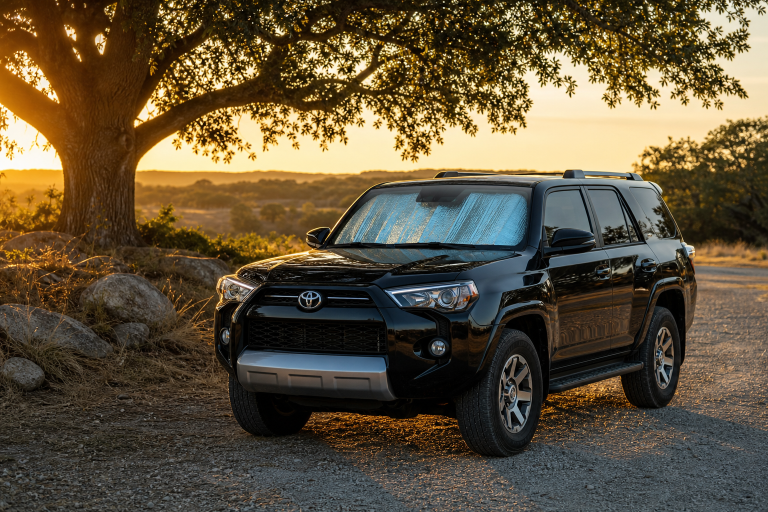
Before buying an upgrade, inspect how the vehicle is actually holding up in Killeen conditions. Note where it is parked during work hours, whether the A/C cools quickly, and whether the dashboard, seats, trim, or paint already show signs of damage. Check tire sidewalls for cracking or bulges, look for uneven tread wear, and review the owner’s manual for maintenance intervals for high-temperature operation. Covered parking is ideal, but it is not always available. A reflective windshield shade can reduce the intensity of sunlight on the dash and front seats, while clean door seals and intact weatherstripping help keep dust out. Remove medications, battery-powered devices, aerosol cans, and other heat-sensitive items before parking. Most importantly, never leave children alone in a hot vehicle; it is a non-negotiable safety practice, regardless of whether the windows are cracked or the vehicle is in partial shade.
Choose Window Film for Comfort and Visibility
Window film is more than a styling decision. For drivers searching for automotive ceramic coating near me, it is also worth considering how quality film and exterior protection can work together to reduce the stress of daily sun exposure. Window film may help manage glare, heat, and ultraviolet exposure, but the right choice should preserve clear visibility in early mornings, at night, and during sudden Central Texas rain.
- Dyed film is often chosen for its appearance and basic glare reduction.
- Carbon film can provide a darker, non-reflective look with improved heat control.
- Metallic film may reject heat effectively, although some products can affect electronic signals.
- Ceramic film is often selected for heat and infrared management without requiring the darkest possible shade.
Ask about visible-light transmission, ultraviolet filtering, infrared performance, warranty coverage, curing time, and safe cleaning instructions. A darker tint is not automatically better, especially for drivers who regularly travel unlit roads. Confirm current Texas tint requirements before selecting a shade.
Protect Paint From Sun, Grime, and Road Debris
Killeen-area vehicles can quickly collect bug residue, bird droppings, tree sap, construction dust, and highway film. These contaminants should be removed promptly because they can stain or etch a neglected clear coat. Protection products are most useful when applied to clean, properly prepared paint.
- Wax provides short-term shine and water resistance.
- Paint sealant usually lasts longer and adds a durable protective layer.
- Ceramic coating can improve gloss, water behavior, and routine cleaning convenience.
- Paint protection film is useful on high-impact areas such as the bumper, hood edge, mirrors, and rocker panels.
No coating or film makes a car maintenance-free. Safe driving, quick cleanup, and careful washing still prevent much of the visible damage caused by abrasive dirt and neglected spills.
Build a Better Washing and Interior Routine
Wash when exterior panels are cool, preferably early in the morning or later in the day. Rinse loose dust first, use pH-balanced car shampoo and clean microfiber tools, and work from the roof toward the lower panels. Rinse the wash mitt often, then dry with soft microfiber towels or filtered air to reduce water spots. Use wheel products designed for the wheel finish rather than harsh household chemicals. Inside the car, vacuum sand and dust before they settle into the carpet and seat seams. Use surface-specific cleaners for leather, vinyl, plastic, fabric, and glass. Avoid greasy dressings that create glare on the dashboard. Clean the interior glass with a low-residue product, and inspect the weatherstripping for cracks that allow hot air and dust to enter the cabin.
Do Not Forget Tires, Lighting, and Electronics
Heat and long highway drives make tire care especially important. Check pressure before driving, when tires are cold, and use the pressure listed on the vehicle placard rather than the number molded on the tire sidewall. The guidance on checking tire pressure when cold also reinforces the need to inspect the tread and sidewalls regularly for embedded objects. Keep headlights, taillights, and turn signals clean, bright, and properly aimed. For cameras, alarms, audio equipment, remote starts, or added lighting, protect wiring from vibration, moisture, sharp edges, and heat. Avoid overloaded circuits, loose adapters, and shortcuts around factory wiring. Professional installation is a smart choice when an upgrade may affect airbags, sensors, safety systems, or battery capacity.
Match Protection to How the Vehicle Is Used
- Daily commuters: Prioritize glare control, A/C performance, tire care, and easy-to-clean surfaces.
- Outdoor-parked vehicles: Focus on shade, sun protection, paint care, and interior conditioning.
- Highway drivers: Consider front-end paint protection, clear glass, reliable tires, and clean lighting.
- Family vehicles: Emphasize climate control, cleanable interiors, safe electrical upgrades, and visibility.
- Hobby vehicles: Cover basic maintenance first, then add appearance-focused upgrades.
A Practical Monthly Care Schedule
Every Week
- Remove trash, dust, bugs, and bird droppings.
- Check tire pressure and look for visible damage.
Every Month
- Wash the exterior, inspect paint and trim, and clean glass.
- Test A/C performance and inspect window film for peeling or haze.
Every Season
- Review fluids, battery condition, maintenance records, and emergency supplies.
- Clean accumulated mud, dust, and road residue from the underbody.
Conclusion
A cooler, cleaner, safer vehicle in Killeen does not require every available upgrade or the most expensive products. Start with practical basics such as shade, clean surfaces, clear visibility, dependable tires, proper fluid levels, and routine inspections. From there, choose window film, paint protection, interior protection, or useful electronics that fit the vehicle’s parking conditions, mileage, climate exposure, and everyday needs. Consider how often the vehicle sits outside, how much highway driving it handles, and whether it regularly carries children, pets, or work equipment. The right improvements should make daily driving easier without creating unnecessary maintenance or expense. Most importantly, consistent washing, timely repairs, and regular inspections remain essential. With a balanced approach, Killeen drivers can keep their vehicles more comfortable, presentable, and protected against Central Texas heat, rain, road debris, and year-round driving conditions.
