


Online Education has changed the way students and teachers connect, making learning more flexible and accessible than ever before. Platforms like abcplatform are helping schools, instructors, and learners build structured digital learning environments that support growth, interaction, and skill development from anywhere in the world.
At its core, organizing Online Education is not just about moving lessons to the internet. It is about creating a system that keeps students engaged, helps teachers deliver content clearly, and ensures learning goals are met in a simple and effective way. When done right, Online Education can be just as powerful as traditional classroom learning, sometimes even more efficient.
Why Planning Matters in Online Education
Good planning is the foundation of successful Online Education because it sets clear expectations for both teachers and students. Without a proper plan, online classes can become confusing, unstructured, and less engaging, which can reduce student motivation and learning outcomes over time.
When educators take time to plan lessons, schedules, and activities in advance, Online Education becomes more organized and predictable. This helps learners stay on track, understand what is expected of them, and gradually build confidence in a digital learning environment.
Setting Up a Structured Digital Classroom on ABCPlatform
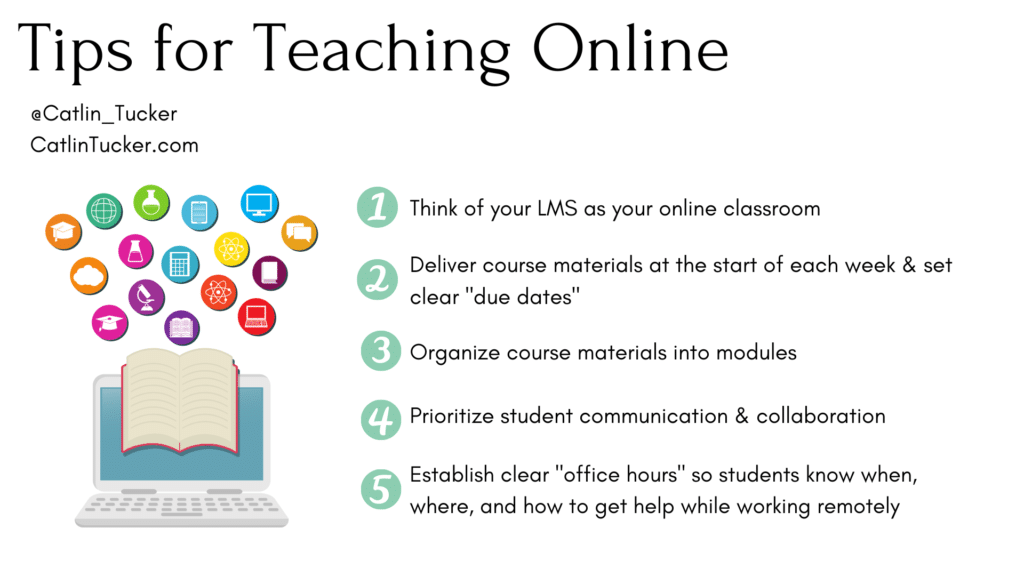
A structured digital classroom is essential for making Online Education smooth and effective. Platforms like abcplatform allow educators to create organized spaces where lessons, assignments, and communication are all in one place, making it easier for students to follow along.
When setting up a digital classroom, clarity is key. Teachers should organize content in a way that is simple to navigate so students can easily find their lessons, submit their work, and interact with instructors. This structure supports better learning habits and reduces confusion in Online Education systems.
Creating Engaging Learning Materials for Students
Engaging learning materials are a major part of successful Online Education because they help students stay interested and active in their learning journey. Instead of only using text-based lessons, educators can include videos, quizzes, interactive activities, and real-world examples to make learning more meaningful.
When students feel connected to the material, they are more likely to participate and retain information. In Online Education, engagement is a key factor that determines how well students understand concepts and apply them in practical situations, making content design extremely important.
Managing Time and Student Participation Effectively
Time management plays a big role in Online Education because students often learn at different paces and may have varying schedules. Setting clear deadlines, structured class times, and consistent routines helps maintain discipline and keeps students focused on their goals.
Encouraging participation is equally important, as Online Education can sometimes feel isolated. Teachers can use discussions, live sessions, and interactive assignments to make students feel involved and connected, which improves both learning outcomes and motivation.
Using Technology Tools to Improve Online Learning
Technology tools are the backbone of modern Online Education, helping teachers deliver content more efficiently and track student progress with ease. Learning management systems, video conferencing tools, and digital assessment platforms all contribute to a smoother educational experience.
By using the right tools, educators can make Online Education more interactive and personalized. These tools also help identify student strengths and weaknesses, allowing for better support and improved academic performance over time.
Common Challenges in Online Education and How to Solve Them
One of the biggest challenges in Online Education is maintaining student attention in a virtual environment. Distractions at home and lack of direct supervision can reduce focus, but this can be improved by using engaging content and structured learning schedules.
Another challenge is technical difficulty, which can affect both teachers and students. Providing simple instructions, technical support, and user-friendly platforms like abcplatform helps reduce these issues and ensures that Online Education runs smoothly for everyone involved.
Conclusion
Online Education continues to grow as a powerful learning model that offers flexibility, accessibility, and modern learning opportunities. When properly organized, it can provide students with a strong educational experience that supports long-term success and skill development.
By focusing on planning, structure, engagement, and the right technology, educators can build an effective Online Education system that works for all types of learners. Platforms like abcplatform make this process easier, helping create a future where quality education is available anytime and anywhere.
