


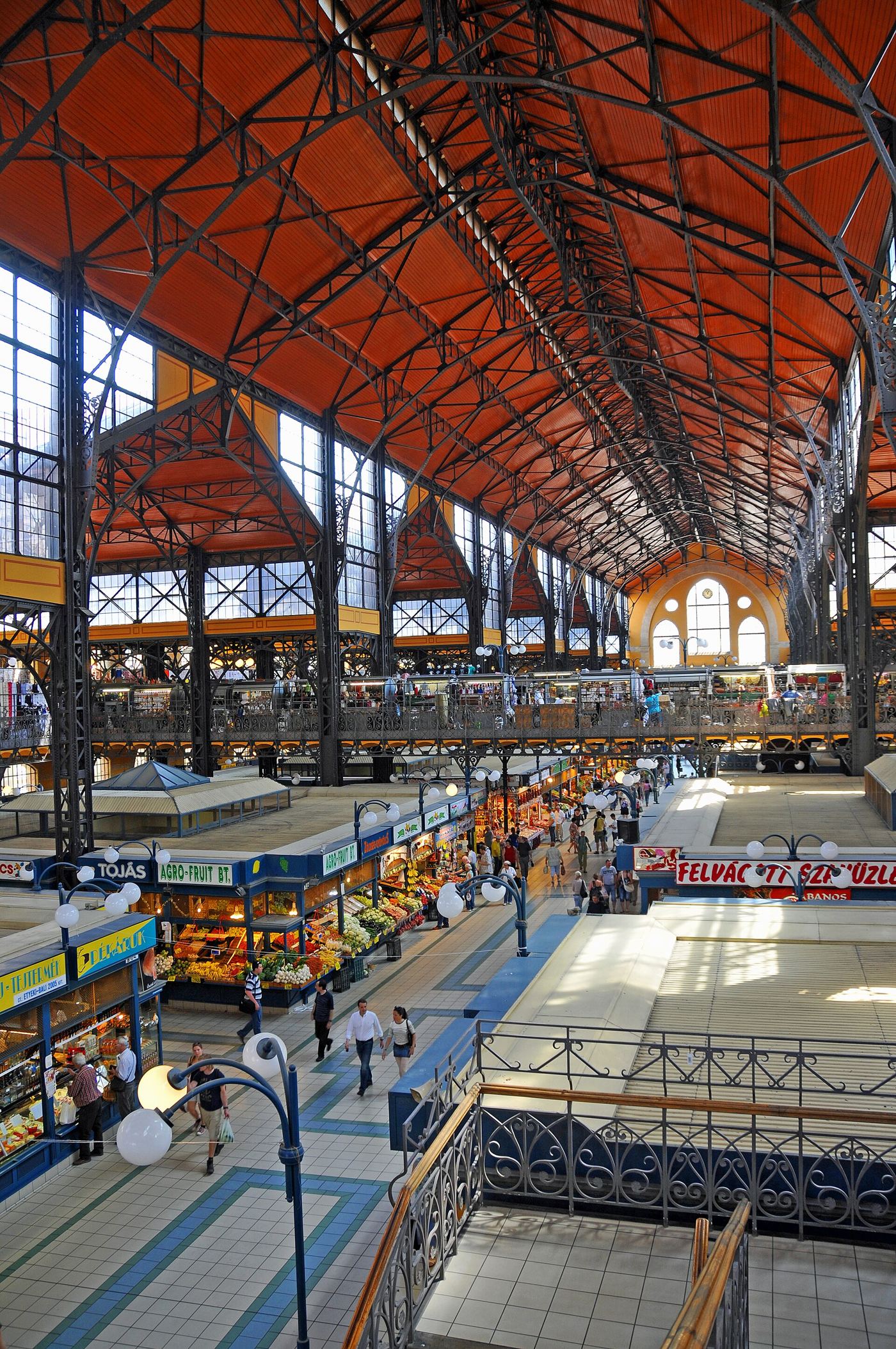
Traders in indoor market halls are adapting quickly as cashless payments become the norm, with many stalls now accepting cards and phone wallets alongside cash for the first time. Market managers say the shift accelerated as shoppers stopped carrying notes and coins, and stallholders who once feared card fees now report that taking taps and phone payments saves sales that would otherwise walk away. A butcher, a florist and a baker interviewed for this article all said the same thing: younger customers in particular expect to pay by phone, and a stall that cannot take a card looks out of step. The change is also helping traders track what sells, because digital records replace guesswork at the end of a busy Saturday. For markets fighting to stay relevant against supermarkets and online shopping, accepting every way of paying has become part of the welcome.
What the Evidence Shows
Costs remain the main concern, because card providers charge a percentage of each sale, which bites hardest on small purchases such as a single pastry or a bunch of herbs. Many traders now compare providers annually and some add a small minimum for card payments, though consumer groups warn that surcharging can put shoppers off. Reliability matters too: a market hall with weak mobile signal can leave a stall unable to take payments at all, so managers are investing in better connectivity and backup readers. Trading bodies advise stallholders to keep some cash as a fallback and to reconcile card takings daily against sales records. Overall, the traders who have embraced cashless say the benefits outweigh the fees, because fewer lost sales and cleaner records make a small business easier to run. Reporting and analysis from sources such as World Bank track the same developments, and specialists following cashless market trading say the direction is now consistent across independent lines of evidence.
The Wider Context
For households and small firms, cashless market trading matters through prices and access rather than through market commentary. Changes at this level arrive as a rate on an offer letter, a fee on a statement or a product that quietly disappears from a comparison table. Consumer groups argue that transparency at exactly that point of decision is worth more than any amount of market-level reporting.
What Happens Next
The outlook for cashless market trading hinges on policy choices that will be made in the open over the coming quarters. Market participants are positioned for more than one outcome, which is why the immediate reaction to each announcement has been smaller than the commentary around it. For ordinary savers and borrowers, the advice from every quarter is the same: review your own position, not the headlines. You can follow related developments in our coverage of finance.
It is also worth remembering how quickly the picture in this area has changed before. Positions that looked settled a few years ago have been revised as new data arrived, and the same humility is appropriate now. The strongest coverage of this subject, and the most useful advice, tends to come from sources that update their views openly when the facts move, rather than defending an earlier position long after it has stopped fitting the evidence available.
