


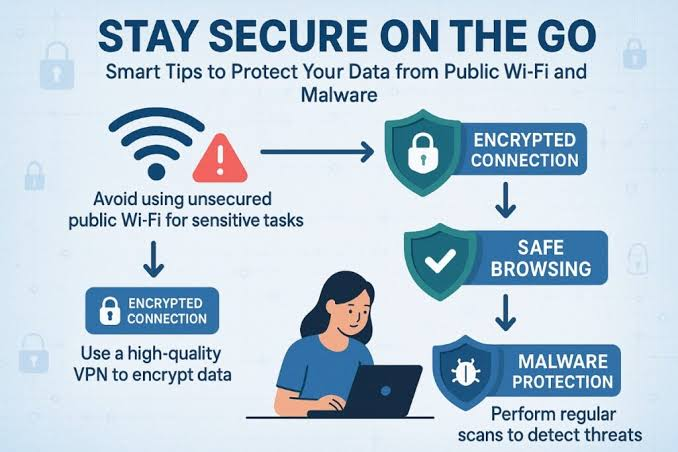
The rapid growth of online payments has changed the way people shop, bank, and manage their finances. Digital transactions provide speed and convenience, prozone cc allowing users to purchase products, transfer money, and access financial services from almost anywhere. However, this increased reliance on online systems has also created new opportunities for cybercriminals who attempt to steal valuable financial information.
One of the major cybersecurity concerns connected to digital payments is carding. Carding refers to the illegal use and trade of stolen payment card information. Cybercriminals obtain financial data through methods such as phishing, malware, data breaches, and social engineering before using or distributing that information through underground networks.
Trends involving underground carding communities, including public discussions around names such as Prozone CC, highlight the importance of understanding online security risks. While these illegal platforms are not legitimate financial services, they demonstrate how stolen information can become part of a larger cybercrime ecosystem.
Learning from these threats can help individuals and businesses improve their cybersecurity habits, protect sensitive information, and reduce the risk of financial fraud.
Understanding Carding Threats
Carding is a form of financial cybercrime involving the unauthorized use of stolen payment information. Criminals may target:
- Credit and debit card details
- Banking information
- Online payment accounts
- Personal identification details
- Customer databases
The stolen information may be collected through different attack methods and later misused for fraudulent transactions or identity theft.
Modern carding threats are more dangerous because cybercriminals often operate through organized networks. Instead of one person carrying out every step, different groups may specialize in stealing data, selling information, or committing fraud.
This organized approach allows cybercrime activities to expand quickly and affect large numbers of victims.
How Carding Information Is Stolen
Understanding how attackers obtain financial information is essential for preventing carding-related fraud.
Data Breaches
Data breaches are one of the largest sources of stolen financial information. Businesses collect and store large amounts of customer data, making them attractive targets for attackers.
When security systems are compromised, criminals may gain access to sensitive information that can later be exploited.
Organizations affected by breaches often face financial costs, legal challenges, and damaged customer trust.
Phishing Attacks
Phishing is a common method used to trick users into revealing sensitive information. Criminals create fake emails, websites, or messages that appear to come from trusted organizations.
These scams may ask users to:
- Confirm account details
- Update payment information
- Verify login credentials
- Click malicious links
A successful phishing attack can provide criminals with valuable information without requiring advanced technical skills.
Malware
Malware is another major threat to payment security. Malicious programs can infect computers or mobile devices and collect information without the user’s knowledge.
Some malware can monitor activity, capture credentials, or access stored financial information.
Keeping devices updated and using trusted security tools can help reduce malware risks.
The Lessons From Carding Trends
The growth of carding activities provides several important lessons about online safety.
Personal Information Has Long-Term Value
Many users assume that changing a password or replacing a payment card completely solves a security problem. However, stolen information can continue creating risks long after the original incident.
Personal details may be combined with information from other breaches to create more complete profiles of victims.
This means protecting personal information should be a continuous effort.
Strong Authentication Is Essential
Passwords alone are no longer enough to protect important accounts. Attackers often target weak or reused passwords because they can provide access to multiple services.
Multi-factor authentication (MFA) adds an additional security layer by requiring extra verification before granting account access.
Even if a password is exposed, MFA can make unauthorized access significantly more difficult.
Cybersecurity Requires Awareness
Many successful attacks rely on human mistakes rather than advanced technology. Clicking a suspicious link, downloading an unknown file, or sharing information with an unverified source can create serious security risks.
Cybersecurity awareness helps users recognize threats before they cause damage.
Protecting Yourself From Carding Risks
Consumers can take several practical steps to improve their online safety.
Use Strong and Unique Passwords
Every online account should have a different password. Reusing passwords across multiple websites increases risk because one compromised account can affect others.
A password manager can help users create and store stronger passwords securely.
Enable Multi-Factor Authentication
MFA should be enabled for important accounts, including:
- Online banking
- Email accounts
- Payment applications
- Shopping platforms
This additional protection helps prevent unauthorized access.
Monitor Financial Accounts
Regularly reviewing bank statements and payment activity can help identify suspicious transactions quickly.
Many financial institutions provide instant alerts for purchases, withdrawals, and account changes. Enabling these notifications can improve early detection of fraud.
Shop Only on Trusted Websites
Before entering payment information, users should verify that a website is legitimate.
Helpful checks include:
- Confirming the website address
- Looking for secure connections
- Reading customer reviews
- Avoiding unrealistic offers
Criminal websites often use extremely low prices or urgent messages to pressure users into making quick decisions.
Avoid Suspicious Messages
Users should be careful with unexpected emails, text messages, and social media communications.
Never provide financial information through unknown links or unverified contacts.
If a message claims to come from a bank or payment provider, contact the organization through official channels instead of using links provided in the message.
How Businesses Can Prevent Carding Attacks
Organizations have a major responsibility to protect customer financial information.
Important security measures include:
Encryption
Encryption protects sensitive information by converting it into a secure format that unauthorized individuals cannot easily access.
Businesses should encrypt payment information both during transmission and storage.
Regular Security Testing
Security assessments help organizations identify weaknesses before criminals exploit them.
Regular testing allows companies to improve their systems and strengthen defenses.
Employee Training
Employees should receive cybersecurity training to recognize phishing attempts, suspicious activity, and common attack methods.
A security-aware workforce can prevent many potential incidents.
Access Management
Not every employee needs access to sensitive financial information. Limiting access reduces the potential impact if an account is compromised.
Incident Response Planning
Businesses should prepare clear procedures for handling security incidents.
A strong response plan helps organizations detect problems quickly, reduce damage, and recover more effectively.
The Future of Payment Security
As digital payments continue expanding, cybersecurity will remain a major priority. Financial institutions and technology companies are developing advanced solutions to improve payment protection.
Future security improvements may include:
- Artificial intelligence-based fraud detection
- Biometric authentication
- Stronger encryption methods
- Improved identity verification
- Real-time transaction monitoring
These technologies can help reduce fraud, but users and organizations must continue practicing responsible security habits.
Building a Safer Digital Environment
Online safety is a shared responsibility. Financial institutions, businesses, technology providers, and consumers all play important roles in preventing cybercrime.
Businesses must protect customer information through strong security practices, while users must remain cautious when sharing personal and financial details online.
The lessons from carding trends show that cybersecurity is not only about technology. It is also about awareness, preparation, and responsible digital behavior.
Conclusion
Carding threats demonstrate how valuable financial information has become in the modern digital world. Public discussions surrounding underground carding trends, including references to platforms such as Prozone CC, highlight the importance of protecting payment data and understanding cybersecurity risks.
Consumers can reduce their exposure by using strong passwords, enabling multi-factor authentication, monitoring accounts, prozone.st and avoiding suspicious online activity. Businesses can strengthen defenses through encryption, security testing, employee education, and effective incident response plans.
As cyber threats continue to evolve, staying informed and practicing safe digital habits are essential. By learning from carding trends and improving online security practices, individuals and organizations can help create a safer and more trustworthy digital environment.
