


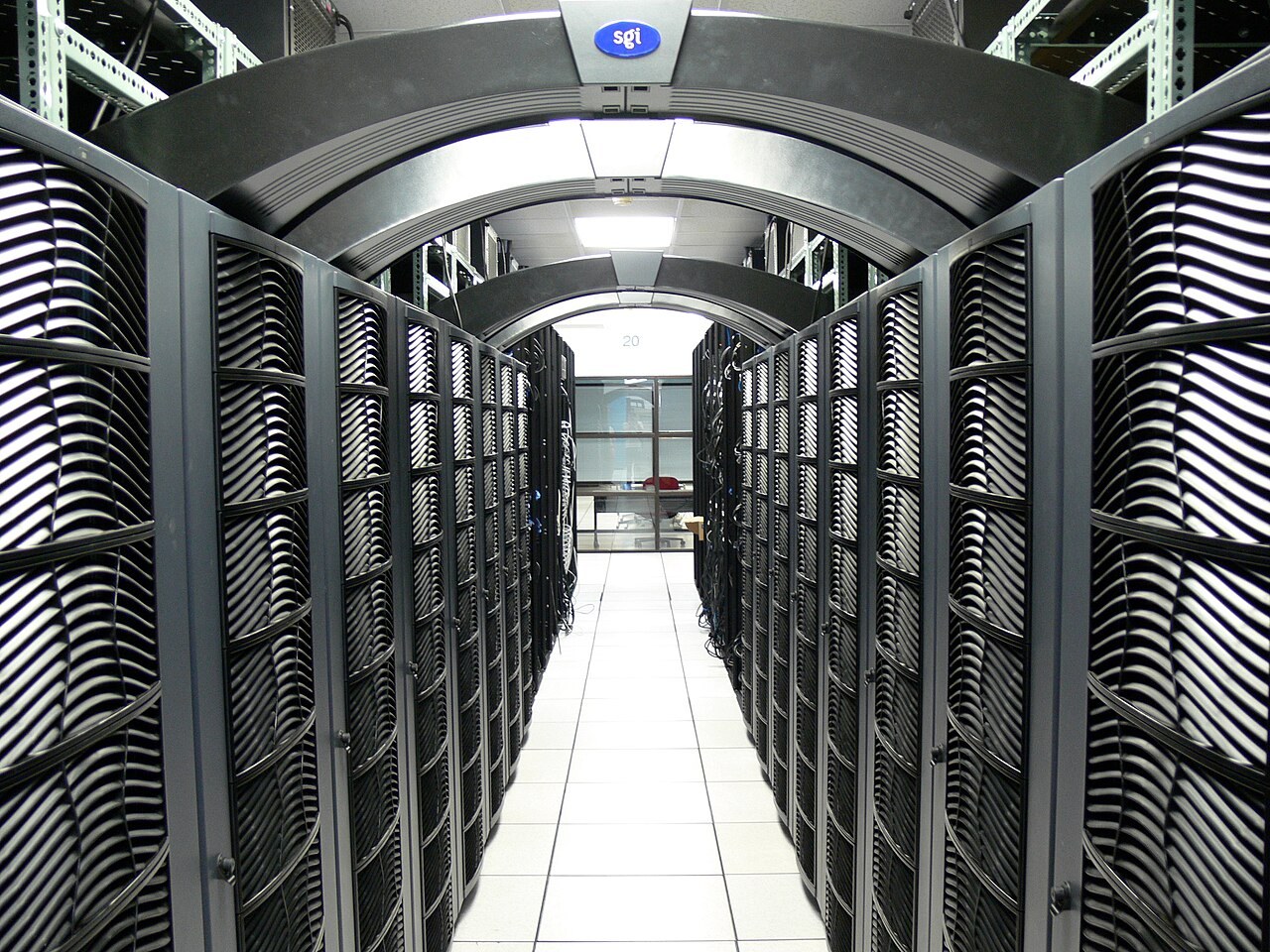
Modern online platforms depend on a combination of computing systems that work together to process information and respond to user activity. What appears on a screen as a simple interaction may involve browser code, remote servers, databases and network communication.
Online gaming provides a useful example of how these technologies operate together. A user may select a game, open an account menu or interact with a digital environment, while several processes happen behind the scenes.
Understanding these systems helps explain why network performance, server reliability and software security matter.
The Architecture Behind an Online Platform
Most online platforms use a client-server architecture. The client is usually a browser or application running on a user's device, while the server processes requests and provides information.
When a visitor opens a page, the browser requests the required resources. The server responds with content such as HTML, images, scripts and other data.
Interactive platforms may also use APIs to exchange information between different software components.
This structure allows developers to update services centrally rather than requiring every user to install a completely new version of the software.
However, the quality of the experience depends on how efficiently these components communicate.
Why Real-Time Processing Matters
Some digital services require information to be processed quickly. Multiplayer games, communication applications and live information systems are examples of environments where delays can affect usability.
Latency measures the time it takes for data to travel between a device and a server. High latency can produce delayed responses, while unstable connections may interrupt communication.
Developers use several techniques to reduce these problems, including efficient data transfer, optimized server infrastructure and geographically distributed content delivery systems.
Not every online game needs the same level of real-time performance. A simple puzzle game can tolerate more delay than an application where users interact simultaneously.
Digital Simulation and Game Mechanics
A digital simulation represents a system or activity through software. It uses programmed rules and input data to produce an output.
Simulations are used in education, engineering, training and entertainment. A flight simulator, for example, models aircraft behavior so that users can explore different conditions in a controlled environment.
Games use similar concepts, although their goals may be entertainment rather than technical training.
When researching online services such asEO88, it is useful to identify whether a product is a skill-based game, a simulation, a chance-based game or a wagering-related service.
These categories can involve different rules, technical systems and legal requirements.
Understanding Animal-Themed Gaming Categories
Some online gaming categories use themes inspired by real-world activities. These may include sports, racing, fishing and animal-related competitions.
One term readers may encounter isđá gà EO88, which refers to cockfighting-related gaming content.
This subject requires particular care. Actual cockfighting involves animal welfare concerns and is prohibited or restricted in many jurisdictions. A digital representation should not be confused with approval of real-world animal fighting.
Anyone researching such a category should understand the exact service being offered and verify the applicable local laws.
Databases and Account Management
Online platforms need a reliable way to organize information. Databases store and retrieve records that applications require to operate.
Depending on the service, these records may include user accounts, preferences, transaction histories and system configuration information.
Access control is important because not every system component should be able to view or modify every record.
Developers use authentication and authorization mechanisms to control access. Authentication checks who is attempting to use a system, while authorization determines which actions that person is allowed to perform.
A properly designed system applies these controls consistently.
Security Considerations in Connected Services
Security should be considered throughout the development process rather than added only after an application is complete.
Important measures include encrypted connections, secure password storage, access restrictions and regular software updates.
Users also have responsibilities. They should use unique passwords, avoid suspicious links and never share verification codes.
If a platform involves payments, transaction information should be protected and payment instructions should be clearly explained.
A website's technical appearance does not prove that its security practices are adequate. Users should review available information and remain cautious when a service makes unclear requests.
Scalability and Server Reliability
As a platform grows, it may receive more visitors and process more requests. Systems that work well under low traffic can struggle when demand increases.
Scalability refers to the ability of infrastructure to handle changing workloads.
Developers may use load balancing, caching and distributed infrastructure to manage increased demand. Monitoring tools can also help identify slow responses and server failures.
These technologies are important for maintaining a consistent user experience.
The Difference Between Technical Reliability and Trustworthiness
A platform can load quickly and still have unclear policies. Similarly, an attractive interface does not establish that a service handles information responsibly.
Technical performance and business trustworthiness should therefore be evaluated separately.
Users should examine the website's terms, privacy policy, support information and applicable legal requirements. If financial activity is involved, they should understand the possibility of loss and avoid unrealistic promises.
Conclusion
Modern online gaming platforms rely on several interconnected technologies, including client-server communication, databases, authentication systems and real-time processing.
These systems make digital experiences more accessible, but they also introduce technical and security considerations.
Understanding how the infrastructure works helps users evaluate services more carefully and appreciate the engineering behind everyday digital interactions.
