


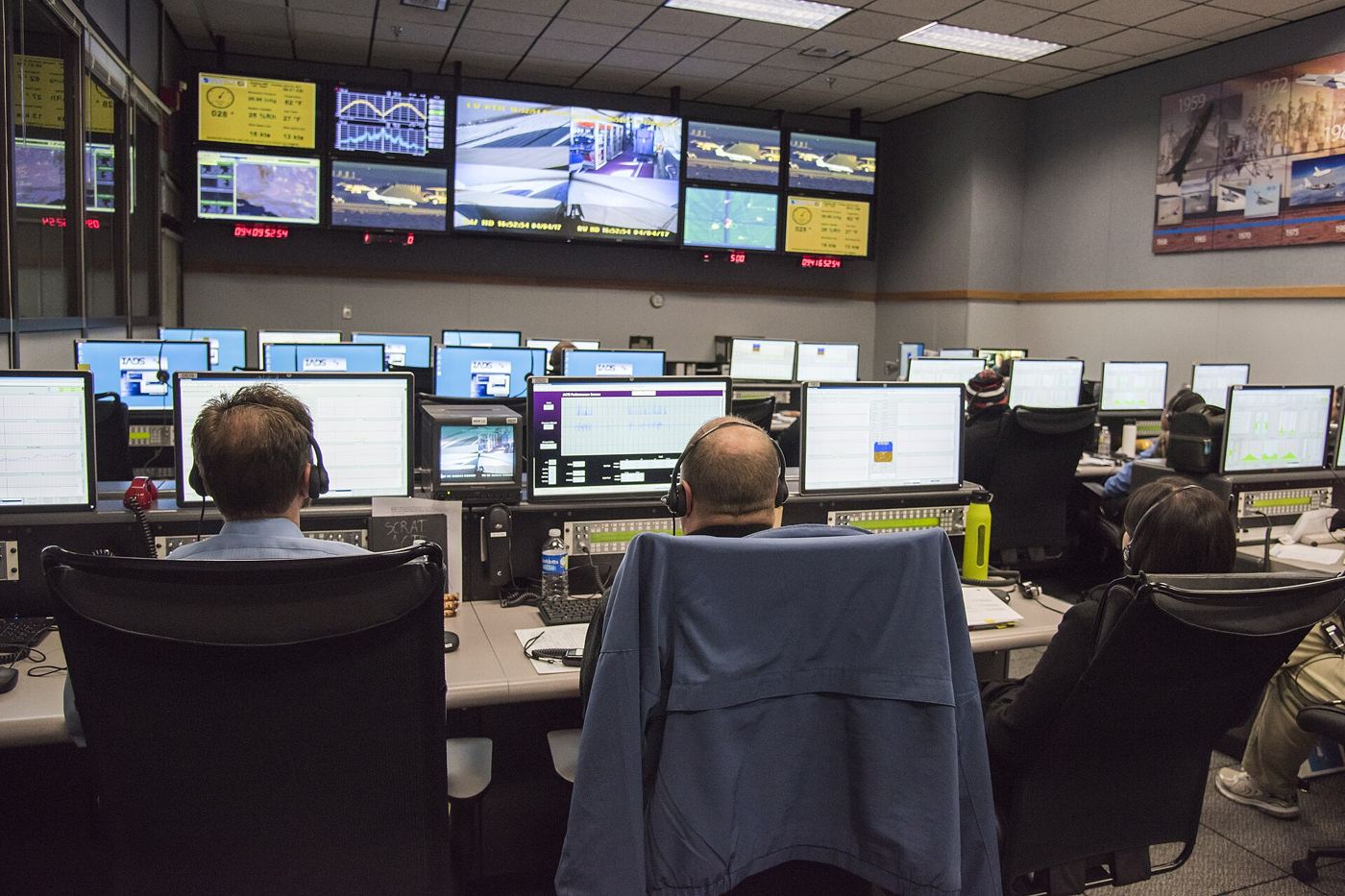
Inside large data centres, thousands of small sensors now watch temperature, vibration, power draw and airflow, looking for the early signs that a server, fan or cooling unit is about to fail. Engineers call this predictive maintenance, and it is changing how facilities are run. Instead of waiting for an alarm in the middle of the night or replacing parts on a fixed calendar whether they need it or not, teams receive a ranked list of components whose behaviour has drifted from normal. A disk showing subtle errors, a pump drawing slightly more power or a rack running warmer than its neighbours can be scheduled for attention during planned work, before customers notice anything. The financial case is strong, because unplanned downtime is expensive and emergency repairs disrupt carefully planned capacity. Better prediction also extends equipment life, reducing electronic waste from parts discarded too early. The systems are not magic. Sensors generate false alerts, models need months of local data to learn what normal looks like in a particular hall, and experienced engineers still make the final call. Used as decision support rather than autopilot, prediction is making critical infrastructure calmer and more reliable.
What the Evidence Shows
Operators say the biggest wins come from combining sensor data that used to sit in separate systems. When power, cooling and computing loads are viewed together, a single root cause can explain several small anomalies that looked unrelated in isolation. Maintenance teams are also changing how they work, carrying tablets with component histories into the hall and feeding back outcomes so predictions improve after every intervention. Spare parts planning benefits too, since likely failures can be forecast weeks ahead instead of discovered during a breakdown. Sustainability reporting gains from the same data, because inefficient equipment is often the equipment closest to failing. As facilities grow larger and staff become harder to recruit, this kind of early warning is shifting from a competitive advantage towards a basic requirement for running dependable digital services at scale. New technicians are trained to read these predictions critically, checking a flagged component in person before ordering a replacement, which keeps trust in the system high and avoids unnecessary work across busy halls. Reporting and analysis from sources such as IEEE Spectrum track the same developments, and specialists following predictive sensors in data centres say the direction is now consistent across independent lines of evidence.
The Wider Context
Adoption of predictive sensors in data centres follows a familiar pattern with an unfamiliar speed. Early users tolerate rough edges in exchange for advantage, mainstream users arrive when the tool disappears into existing workflows, and the market consolidates around whoever made that transition feel effortless. Vendors are racing less on raw performance now than on integration, support and trust.
What Happens Next
The realistic forecast for predictive sensors in data centres is steady integration rather than sudden replacement: embedded in products people already use, improving in increments, and regulated in proportion to its reach. The companies and institutions that plan on that basis, training staff and redesigning processes instead of chasing launches, are the ones the adoption data tends to vindicate. You can follow related developments in our coverage of technology.
It is also worth remembering how quickly the picture in this area has changed before. Positions that looked settled a few years ago have been revised as new data arrived, and the same humility is appropriate now. The strongest coverage of this subject, and the most useful advice, tends to come from sources that update their views openly when the facts move, rather than defending an earlier position long after it has stopped fitting the evidence available.
