


Online entertainment has changed dramatically over the years. People no longer need to visit physical gaming venues to explore different types of games. Today, digital platforms offer convenient access to a wide range of entertainment options, including online slot games.
Slot games have become popular because they’re relatively simple to understand, visually engaging, and available in many different themes. Some feature classic fruit symbols, while others introduce adventure stories, colorful animations, and interactive bonus rounds. There’s something different about almost every game.
Still, understanding how slot games work is important before getting started. The experience involves more than pressing a spin button. Game mechanics, random outcomes, payout structures, and personal spending limits all deserve attention. A little knowledge can help people make informed decisions rather than relying on unrealistic expectations.
What Are Slot Games?
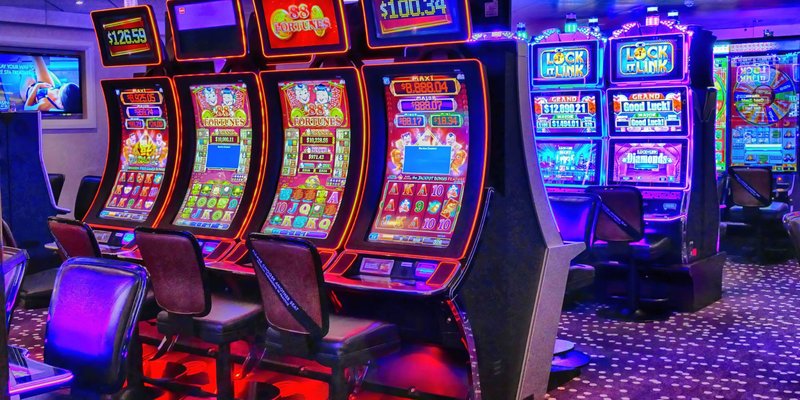
Slot games are digital or mechanical games that use spinning reels and symbols to determine outcomes. Traditional machines usually featured three reels, a limited number of symbols, and a straightforward layout. Modern versions have expanded considerably.
Online slots can include multiple reels, different paylines, animated backgrounds, sound effects, and additional features. Some games use familiar fruit symbols, bells, and numbers. Others build their entire experience around mythology, fantasy, popular storytelling themes, or historical settings.
The basic idea remains relatively simple. Players activate the reels, symbols appear in different positions, and the game determines whether the result matches its predefined winning combinations.
What makes these games interesting to many people is their variety. One person might enjoy a traditional design with minimal features, while another prefers a modern game with elaborate graphics and bonus animations.
However, it’s worth remembering that slot games are games of chance. Their entertainment value doesn’t make them a reliable way to earn money.
How Online Slot Games Work
Understanding the mechanics behind online slots makes the experience easier to follow.
Most modern online slot games use a technology called a random number generator, commonly known as an RNG. This system produces random outcomes according to the game’s programming and mathematical design.
Each spin is generally independent of previous spins. That means a result doesn’t become more likely simply because someone has experienced several unsuccessful rounds.
For example, imagine someone plays a game and receives several combinations that don’t produce a payout. It might feel as though a winning combination should appear soon. In reality, previous outcomes don’t create an obligation for the next spin to produce a particular result.
Understanding RTP and Volatility
Two important terms frequently appear in discussions about slot games: RTP and volatility.
RTP stands for Return to Player. It’s a theoretical percentage describing how much a game is designed to return to players over an extremely large number of rounds.
For example, a theoretical RTP of 96% means that the game is designed to return an average of $96 for every $100 wagered over a sufficiently large number of plays. It doesn’t guarantee that an individual player will receive that amount.
Volatility describes how payouts are distributed.
- Low volatility: Generally associated with smaller and more frequent payouts.
- Medium volatility: Offers a balance between payout frequency and potential payout size.
- High volatility: Can involve longer periods without payouts and less frequent, potentially larger wins.
Neither RTP nor volatility guarantees a particular result. They’re simply useful concepts for understanding how different games are designed.
Different Types of Slot Games
One reason online slots attract attention is the range of available formats. Developers regularly introduce new mechanics and visual styles, giving players plenty of variety.
Classic Slots
Classic slots take inspiration from traditional gaming machines. They usually feature simple layouts, familiar symbols, and fewer reels.
Think of cherries, lemons, bells, and lucky sevens. These games appeal to people who appreciate straightforward designs without complicated bonus systems.
Video Slots
Video slots are more visually advanced. They often feature five reels, multiple paylines, animated characters, and themed soundtracks.
A fantasy-themed game, for example, might include castles, magical objects, and special symbols that trigger additional animations.
Progressive Jackpot Slots
Progressive jackpot games are designed around prize pools that can increase over time. A portion of qualifying wagers contributes to the jackpot, depending on the game’s structure.
These prizes can attract attention because the advertised amounts may become substantial. However, the probability of winning a jackpot can be very low, and the advertised prize doesn’t make the game a sensible financial opportunity.
Megaways and Feature-Based Slots
Some modern games use changing reel configurations or special symbol mechanics. Megaways-style formats, for instance, can create different numbers of possible winning combinations on each spin.
Other games introduce expanding symbols, free-spin rounds, multipliers, or interactive bonus features.
These mechanics can make games more visually interesting, but they don’t remove the underlying element of chance.
Important Features to Understand
Before exploring any online slot game, it’s useful to understand the features that influence its structure.
Paylines are one example. They determine which symbol arrangements count as winning combinations. Some games use fixed paylines, while others offer different ways for matching symbols to produce results.
Wild symbols are another common feature. Depending on the rules, they can substitute for other symbols to help form winning combinations.
Scatter symbols often activate special features, such as free spins or bonus rounds. Their exact function varies between games.
Multipliers may increase qualifying payouts by a particular amount. However, the conditions for activating them differ, and not every multiplier applies to every result.
Game information is especially important. Most properly documented games provide instructions explaining their symbols, payout structures, and special features.
Taking a moment to read these details is much more useful than assuming every game follows the same rules.
Choosing an Online Slot Platform
The platform hosting a game matters just as much as the game itself. A visually attractive website doesn’t automatically mean it’s trustworthy.
Security should be a priority. Look for clear information about the company operating the platform, its licensing arrangements, privacy policies, and security practices.
Independent testing and transparent game information can also help users understand whether a platform follows recognized standards.
Another important consideration is payment transparency. Where online gaming is legally permitted, users should understand the applicable transaction rules, fees, withdrawal conditions, and account requirements before making any financial commitment.
Customer support is worth checking too. A legitimate service should explain how users can contact its support team and resolve account-related concerns.
It’s also sensible to read the terms and conditions rather than relying entirely on promotional claims. Bonus offers, for example, may include restrictions that aren’t immediately obvious.
Most importantly, check the laws in your location. Online gambling isn’t legal everywhere, and age restrictions apply.
Common Misconceptions About Slots
Slot games attract plenty of opinions, but not all of them are accurate.
One common misconception is that a machine becomes ready to pay after several unsuccessful spins. This belief comes from the assumption that outcomes must balance themselves over a short period.
That’s not how properly functioning RNG-based games work. Each spin is generally independent, so a previous losing streak doesn’t guarantee a future win.
Another misconception involves particular playing times. Some people believe certain hours produce better results. Unless a game has a clearly documented feature that changes its mechanics, there’s no reliable reason to assume that playing at a particular time improves the odds.
People also sometimes confuse high RTP with guaranteed profitability. RTP is a long-term theoretical measurement, not a promise about individual sessions.
Finally, complicated bonus features don’t necessarily mean better chances. They may make a game more engaging, but the actual mathematics still determines its expected performance.
Understanding these differences helps prevent unrealistic expectations.
Responsible Gaming and Personal Limits
Responsible gaming deserves more attention than it often receives.
Slot games are designed as entertainment, not as a dependable source of income. Outcomes are uncertain, and losses can happen regardless of how familiar someone becomes with a particular game.
If someone chooses to participate where legally permitted, setting personal boundaries is essential.
Start by deciding how much time and money can comfortably be spent without affecting everyday responsibilities. Never use money needed for rent, groceries, education, bills, or savings.
It’s equally important not to chase losses. Trying to recover lost money by continuing to play can create additional financial pressure.
Taking breaks also helps maintain perspective. If entertainment begins affecting sleep, relationships, work, or personal finances, stepping away is a sensible decision.
People who struggle to control gambling behavior can seek support from qualified professionals and recognized gambling-help organizations.
There should never be pressure to continue playing, and stopping is always an acceptable choice.
The Future of Online Slot Entertainment
Technology continues to influence the development of digital games.
Improved graphics, faster mobile connections, and more sophisticated animation tools have made modern slot games considerably different from traditional machines.
Mobile compatibility is another major development. Many games now feature responsive layouts that adapt to different screen sizes, allowing users to explore the interface on smartphones and tablets.
Developers are also experimenting with interactive storytelling, personalized interfaces, and new visual effects. These changes focus on creating more immersive entertainment experiences.
At the same time, consumer protection and responsible gaming tools are becoming increasingly important topics within the industry.
Features such as spending reminders, session limits, account restrictions, and self-exclusion options can help users maintain control.
The future of online slot entertainment will depend not only on technological innovation but also on transparency, security, and responsible design.
Final Thoughts
Slot games have evolved from simple mechanical machines into sophisticated digital entertainment experiences. Their different themes, features, and formats explain why they continue to attract attention across online gaming platforms.
Understanding RNG technology, RTP, volatility, and bonus mechanics makes it easier to recognize what these games actually offer. Just as importantly, knowing the difference between entertainment and financial opportunity helps create realistic expectations.
The smartest approach is to stay informed, respect local laws, and never treat gambling as an income strategy. Good entertainment should remain within personal limits, without creating unnecessary financial or emotional pressure.
