


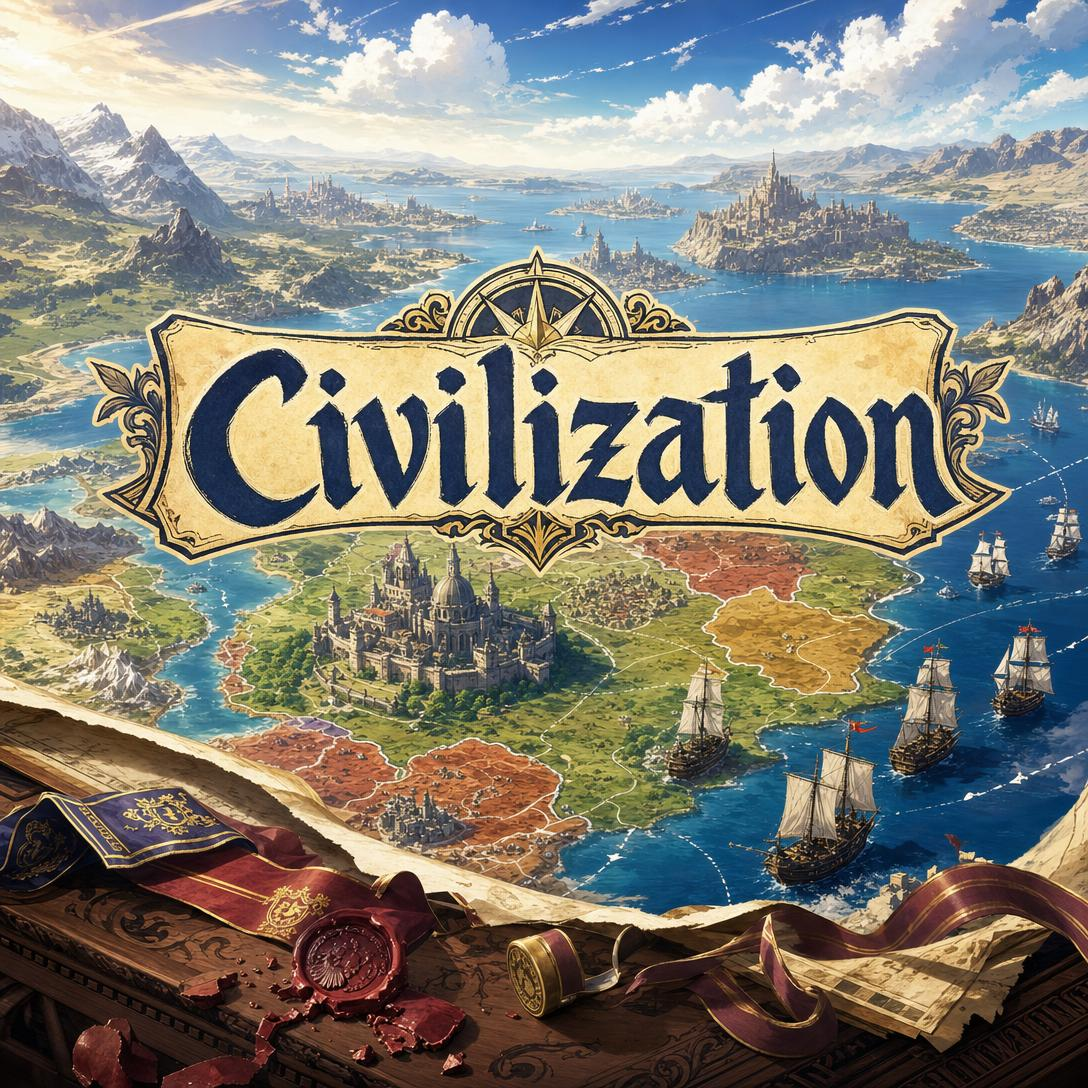
Virtual Societies and Empires Explored Through an AI Civilization Game
Introduction
Imagine leading a growing civilization through centuries of history, making choices that shape its future while rival nations follow their own goals. Every decision can open new opportunities or create unexpected problems. This is the idea behind Jenova, an AI civilization game experience that brings historical strategy, diplomacy, trade, and conflict together in a changing virtual world. Instead of following a fixed story, players can explore an alternate timeline shaped by their actions and the independent decisions of other nations. The result is a strategy experience where success depends on careful planning, flexible thinking, and an understanding of how societies grow and compete.
Jenova’s Civilization experience offers an engaging way to explore the challenges of building an empire and managing relationships with other powers. The simulation focuses on monthly turns, allowing players to guide their nations through important developments over time. Decisions about diplomacy, military action, economic growth, and international trade can influence the balance of power. Unlike a simple strategy game with predictable outcomes, an AI-driven historical simulation can create situations that require players to rethink their plans. Whether you enjoy world-building, geopolitical strategy, or alternate history, Jenova provides a setting for exploring how small choices can lead to major changes in a virtual civilization.
What Makes Jenova an AI Civilization Game?
Jenova introduces a style of historical strategy built around artificial intelligence and evolving relationships between nations. In a traditional strategy game, opponents often follow programmed patterns that players can learn and exploit. An AI civilization game aims to make interactions feel more dynamic by allowing rival nations to pursue their own interests within the simulation. These nations may respond to changing political conditions, economic pressures, or military threats, creating a world that develops through multiple competing decisions. This approach makes each campaign an opportunity to explore different paths rather than simply repeat a familiar sequence of events.
The central appeal of Jenova is the chance to shape a civilization while responding to a world that does not revolve entirely around the player. Your nation has goals, but other powers have ambitions of their own. A peaceful trading partner may become a political rival, while a former enemy could become a useful ally when circumstances change. These possibilities create a deeper connection between strategy and storytelling. Players are not just managing resources or conquering territory; they are influencing a wider network of societies. By combining historical themes with AI-driven interactions, Jenova offers an interesting way to experience the uncertainty and complexity of empire building.
Building an Empire Through Monthly Turns
Time plays an important role in Jenova’s Civilization experience. The monthly turn system gives players a structured way to make decisions and observe how their choices affect the nation over time. Each turn can represent another stage in a larger political, military, or economic story. Rather than expecting every action to deliver instant results, players must consider how present decisions may influence future opportunities. Expanding territory, improving economic strength, or preparing for conflict can require patience and a clear understanding of the nation's wider goals. This slower pace encourages thoughtful planning instead of constant reaction.
Successful empire management also means balancing immediate needs against long-term development. A leader who focuses only on military strength may overlook trade opportunities or weaken the economy. On the other hand, a nation that invests heavily in peaceful growth may struggle when a rival becomes aggressive. In an AI civilization game, these competing priorities help make strategic choices meaningful. Players must consider available resources, political relationships, and possible risks before committing to a course of action. Monthly turns provide room to review changing conditions and adjust plans as new developments emerge. Over time, these decisions can create a distinct alternate timeline shaped by the player's leadership.
Diplomacy, Trade, and Rival Nations
Diplomacy is a major part of any civilization simulation because no nation exists in complete isolation. Jenova’s historical strategy setting encourages players to consider how relationships with other powers can support or threaten their ambitions. Negotiations, cooperation, rivalries, and changing alliances can all influence the political landscape. A nation may benefit from maintaining peaceful relations with a powerful neighbor, especially when it needs time to strengthen its economy or develop its military. However, diplomatic choices also require careful judgment. Trust can be valuable, but leaders must recognize that other nations may have priorities that differ from their own.
Trade adds another layer to this strategic challenge. Economic relationships can create opportunities for growth, improve cooperation, and help nations gain access to resources they need. Yet trade and diplomacy do not always guarantee peace. Competition over influence, territory, or strategic advantages may create tension between former partners. Independent rival nations make the simulation more interesting because their actions can change the conditions under which the player operates. Instead of treating other civilizations as passive background elements, players must account for their ambitions when making decisions. This combination of international relations, economic planning, and political uncertainty gives Jenova the potential to tell stories that feel different from one campaign to another.
Conflict, Consequences, and Alternate History
Military conflict can reshape an empire, but victory is rarely just a matter of choosing to attack. A successful leader must weigh potential gains against the costs of war, including lost resources, damaged relationships, and the risk of weakening the nation. In Jenova’s AI civilization game experience, conflict forms part of a wider strategic environment that also includes diplomacy and trade. A decision that appears useful in the short term may create serious problems later. For example, territorial expansion might increase a nation's influence while also creating new borders to defend and new rivals to manage. Understanding these trade-offs is essential to making thoughtful strategic choices.
One of the most compelling ideas behind alternate history is that events do not have to follow the path taken in the real world. Different political decisions, military outcomes, and diplomatic relationships can produce different possibilities for the future. Jenova gives players a setting in which their choices help shape this unfolding story. Still, there is no guarantee that every plan will succeed. Rival nations may respond in unexpected ways, and poor decisions can lead to setbacks or even defeat. These risks give victories greater meaning because they emerge from the choices made along the way. For players who enjoy historical simulations, the chance to explore both successful strategies and failed ambitions can make each campaign a valuable learning experience.
Why Jenova Appeals to Strategy and History Fans
Jenova may appeal to players who enjoy thinking beyond individual battles and exploring how entire societies function. An AI civilization game brings together several connected areas of strategy, including economic development, international relations, military planning, and long-term leadership. This combination can make the experience interesting for people who like exploring the causes and consequences of political decisions. Rather than focusing only on winning a battle, players can consider what makes a nation stable, how alliances influence power, and why some empires thrive while others struggle. These questions also connect the simulation to broader themes in history and political strategy.
Another important attraction is the freedom to experiment with different approaches. One campaign might focus on peaceful growth and strong trade relationships, while another might emphasize territorial expansion or military security. Neither approach guarantees success because outcomes depend on the wider situation and the decisions of rival powers. This encourages players to learn from mistakes, recognize patterns, and adapt when circumstances change. Jenova’s Civilization experience can therefore offer more than a sequence of strategic challenges; it can provide a framework for exploring leadership, uncertainty, and the interconnected nature of virtual societies. For anyone interested in empire-building games, AI-driven simulations, or alternate historical scenarios, it presents an intriguing concept worth exploring.
Conclusion
Virtual civilizations become interesting when their futures depend on meaningful decisions, competing interests, and consequences that unfold over time. Jenova brings these ideas together through an AI civilization game experience centered on monthly turns, diplomacy, trade, conflict, and independent rival nations. Its historical strategy setting allows players to explore how leadership choices can influence the growth and stability of an empire while creating an alternate timeline. From managing economic priorities to responding to political threats, every decision can affect the direction of a campaign.
For players who enjoy strategy, world-building, and historical what-if scenarios, Jenova offers a compelling concept built around uncertainty and adaptation. The possibility of diplomatic breakthroughs, economic progress, unexpected conflict, and even defeat makes the journey as important as the final outcome. By encouraging players to consider both immediate actions and long-term consequences, this AI-driven civilization simulation highlights the challenges of governing a nation in a changing world. Ultimately, Jenova invites players to explore how virtual societies rise, compete, cooperate, and transform through the choices made by their leaders.
