


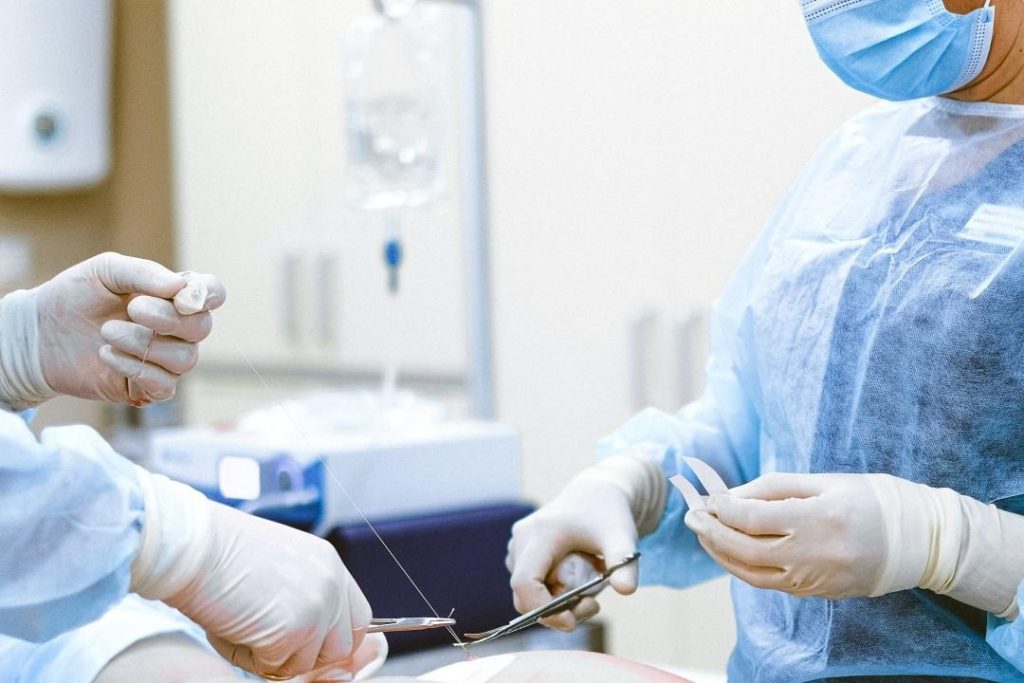
If you’re exploring a fast-paced healthcare career, you’ve probably asked yourself: What does a surgical tech do in a real operating room setting? Surgical technologists (often called surgical techs) are key members of the surgical team who help prepare the operating room, maintain sterile technique, anticipate the surgeon’s needs, and support patient safety from start to finish. It’s hands-on, detail-heavy work that directly impacts outcomes, especially in high-pressure cases where every second matters.
Many students who search for surgical tech also want to know the best path to get started. The good news is that with the right training and clinical experience, you can build a stable career in a field that stays in demand.
If you’re serious about entering the OR, MedicalPrep can help you build the skills employers expect through focused instruction, structured lab practice, and career-ready preparation designed specifically for surgical technology students. If you’re comparing options for Surgical Tech Programs, keep reading. This guide will clarify what the job actually looks like day to day.
What Is a Surgical Technologist?
A surgical technologist is a trained allied health professional who works alongside surgeons, anesthesiologists, registered nurses, and other OR staff to ensure procedures run safely and efficiently. The surgical tech’s core responsibility is to support sterile surgery by preparing instruments and supplies, assisting during procedures, and helping maintain a controlled environment.
When people ask what a surgical tech does, they often picture “handing tools to the surgeon”, and that is part of it. But the role is broader: surgical techs are involved in room setup, infection prevention, patient positioning support, specimen handling, counts for sponges/needles/instruments, and many behind-the-scenes steps that prevent errors.
Where Surgical Techs Work
Surgical techs work in multiple clinical settings, including:
• Hospital operating rooms (major surgeries and emergency cases)
• Outpatient surgery centers (high-volume scheduled procedures)
• Specialty clinics (orthopedics, ophthalmology, ENT, plastics, etc.)
• Labor and delivery units (C-sections and OB procedures)
• Sterile processing and supply coordination roles (in some pathways)
Your daily rhythm can look different depending on the setting. Outpatient centers may run a tight schedule of similar procedures, while hospitals often involve more variety, longer cases, and on-call needs.
The Three Phases of Surgical Tech Responsibilities
A practical way to answer what a surgical tech does is to break it into the three surgical phases:
1) Preoperative Phase: Setting Up for Safety
Before the patient arrives in the OR, surgical techs help ensure the room is ready and sterile.
Common pre-op duties include:
• Reviewing the preference card (surgeon-specific instrument and supply list)
• Gathering sterile supplies, instruments, sutures, and implants as needed
• Checking sterility indicators and package integrity
• Setting up the sterile field using aseptic technique
• Preparing the back table and Mayo stand
• Assisting with OR bed setup and positioning equipment
• Coordinating with the circulating nurse for needed items and timing
This phase is about preparation, accuracy, and anticipating what the case will require. A strong surgical tech prevents delays and reduces risk by catching issues early, such as missing instruments, incorrect tray selection, or broken sterile seals.
2) Intraoperative Phase: Assisting During the Procedure
This is the phase most people think about when they ask what a surgical tech does. During surgery, the tech functions as the sterile assistant, supporting the surgeon directly.
Intra-op duties may include:
• Passing instruments and supplies efficiently (instrument “passing”)
• Maintaining the sterile field and correcting breaks in technique
• Keeping track of sharps and instrument counts with the team
• Preparing sutures, sponges, blades, and specialty items on demand
• Holding retractors or assisting with exposure (depending on facility policy)
• Managing suction tubing, cautery cords, camera equipment, and accessories
• Handling specimens properly (labeling, containment, transfer per protocol)
• Anticipating next steps, having the right instrument ready before it’s asked for
The best surgical techs don’t just react, they predict. They understand the steps of procedures well enough to stay ahead, which makes the surgeon faster and keeps the case controlled.
3) Postoperative Phase: Closing Out Correctly
After the procedure, the work continues. Safe cleanup and turnover protect the next patient and keep the OR running on schedule.
Post-op tasks can include:
• Assisting with final counts and confirming nothing is retained
• Breaking down the sterile field safely
• Containing contaminated instruments and disposables properly
• Wiping equipment per infection-control protocol (as assigned)
• Preparing instruments for transport to sterile processing
• Helping reset the room for the next case (turnover workflow)
Post-op duties require discipline. Rushing can lead to missed items, contamination, or incomplete documentation steps.
A Day-in-the-Life: What Surgical Tech Work Really Looks Like
If you’ve ever wondered what a surgical tech does hour by hour, here’s a realistic snapshot:
• Arrive early, review the schedule, check trays, and preference cards
• Set up OR for first case, open sterile supplies, prepare sterile field
• Participate in time-out readiness and ensure required equipment is available
• Pass instruments during the case, maintain sterility, support counts
• Handle specimens and coordinate with the circulating nurse
• Break down the room, transport instruments, and reset for the next procedure
• Repeat for multiple cases, with varying complexity depending on specialty
Some days you’ll work routine cases. Other days, you’ll be supporting urgent add-ons or complex procedures where your composure matters as much as your technical skill.
Core Skills Surgical Techs Must Master
Because the surgical environment is unforgiving, employers look for competence in both technical and professional skills.
Sterile Technique and Infection Prevention
Sterile technique is the foundation. Surgical techs must consistently demonstrate:
• Correct gowning and gloving
• Proper sterile field setup and maintenance
• Understanding contamination risks and how to respond
• Safe handling of sharps and biohazards
Instrument Knowledge
You must learn common instrument families and their uses, such as:
• Hemostats and clamps
• Retractors
• Needle holders
• Scissors
• Forceps
• Suction tips and cautery accessories
Knowing the instrument isn’t enough; you need to know when it’s used and why.
Procedure Flow and Anticipation
A major part of what a surgical tech does is anticipating. That requires:
• Understanding the steps of common surgeries
• Recognizing surgeon preferences
• Preparing specialty items in advance (sutures, staplers, implants)
Communication and Teamwork
The OR is a team environment with strict hierarchy and time pressure. Surgical techs need calm, clear communication and the ability to coordinate without conflict.
Physical and Mental Stamina
Standing for long cases, maintaining focus, and managing stress are real job requirements, especially in trauma, orthopedics, and high-volume centers.
Common Procedures Surgical Techs Support
Surgical techs may assist in many specialties. Examples include:
• General surgery (appendectomy, hernia repair, gallbladder removal)
• Orthopedics (joint repairs, arthroscopy, fracture fixation)
• OB/GYN (C-sections, hysteroscopy, laparoscopic procedures)
• ENT (tonsillectomy, sinus surgery)
• Ophthalmology (cataract procedures)
• Cardiovascular and neuro (often advanced teams and specialized training)
Your exposure depends on where you work and your training rotations.
If your goal is to confidently answer “what does a surgical tech do” with real skills, not just definitions, your training choice matters. MedicalPrep is built for students who want structured guidance, practical instruction, and career-focused preparation for the surgical technology path.
What Surgical Techs Do vs. Nurses in the OR
A frequent point of confusion is the difference between surgical techs and circulating nurses.
• Surgical tech (sterile role): works inside the sterile field, passes instruments, maintains sterility, and supports the surgeon directly.
• Circulating nurse (non-sterile role): manages patient advocacy, documentation, supplies outside the sterile field, coordination, and room logistics.
Understanding that a split is central to answering what a surgical tech does accurately: surgical techs are the sterile support system that keeps the surgical site protected and the procedure moving.
Career Growth: Where the Role Can Lead
Surgical technology can be a long-term career or a launchpad into other advanced roles. With experience, many techs pursue:
• Lead surgical technologist or OR coordinator roles
• Specialty focus (orthopedics, CV, neuro, robotics)
• First assistant pathways (where allowed and with additional training)
• Sterile processing leadership or instrument management roles
• Education and lab instruction roles
Growth depends on your interests, state regulations, and credentials.
Training Path: How People Enter the Field
Most surgical techs complete an accredited training pathway that includes classroom learning, skills labs, and clinical rotations. If you’re researching options, you may also be reading about How to Become a Surgical Technologist and comparing program length, hands-on training time, and clinical placement support.
In general, quality training should include:
• Anatomy and physiology basics
• Sterile technique and infection control
• Surgical pharmacology fundamentals (as appropriate)
• Instrumentation and equipment handling
• Case preparation, counts, and specimen workflow
• Supervised clinical experience in real OR settings
If you’re evaluating Surgical Tech Programs, MedicalPrep can help you strengthen your foundations, build OR readiness, and move forward with clarity and confidence.
What Makes a Great Surgical Tech (Beyond the Checklist)
Two people can do the same tasks, but the stronger surgical tech stands out through habits:
• Precision under pressure (no shortcuts with sterility)
• Reliability (the team trusts your setup and your counts)
• Procedure awareness (you know what’s coming next)
• Coachability (you accept feedback and improve fast)
• Professionalism (clear communication and steady behavior)
These traits directly impact patient safety and team efficiency.
Bottom-line
So, what does a surgical tech do? In one clear answer? A surgical tech prepares the operating room, builds and protects the sterile field, supports the surgeon during procedures by passing instruments and anticipating needs, and helps close out cases safely through counts, cleanup, and turnover. It’s a crucial role that blends technical skill, infection control discipline, and real-time teamwork.
If you’re serious about entering the OR and want training that prepares you for what the job actually demands, MedicalPrep is a strong next step. Whether you’re comparing pathways, exploring how to become a Surgical Technologist, or selecting the right program for your goals, MedicalPrep can help you develop the competence and confidence needed to succeed in surgical technology.