


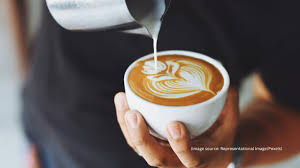
In parts of Europe, coffee is not just a drink but a slow ritual. People sit with it, talk around it, and often spend more time thinking about the beans than most people spend brewing them. The cup becomes a meeting point between patience and culture. The same attention to detail that someone might bring to a game of card game 32 cards — where focus, timing, and small choices matter — can be seen in how some Europeans approach coffee. What looks like a simple drink becomes something studied, debated, and quietly performed.
A Short History of European Coffee Culture
Coffee reached Europe through trade routes in the 17th century. It spread quickly, from ports to cities, and from there into public life. Cafés became meeting places for writers, thinkers, and merchants. Each country developed its own rhythm. In Italy, people began to drink small, strong servings. In Austria, cafés turned into social theaters. In Scandinavia, coffee became tied to everyday life and conversation.
Over time, this spread created not just a habit but a culture. Coffee was no longer about caffeine — it was about connection. The ritual of preparing and serving it came to reflect national identity.
Tasting, Not Consuming
In some European countries, coffee is treated almost like wine — something to be tasted, not just consumed. People notice flavor, region, roast, and method. They compare acidity and aroma. They talk about weather, soil, and altitude the way wine drinkers talk about vineyards.
This attitude didn’t appear overnight. It grew out of centuries of familiarity. When a culture lives with a product long enough, it starts looking deeper into quality. People begin to distinguish small differences — not because they must, but because they can.
The act of sipping becomes an act of observation. It’s not about luxury; it’s about awareness.
The Role of Time
One of the clearest differences between coffee cultures lies in time. In some places, coffee is a quick fix — brewed fast, drunk faster. In others, it’s the opposite. The process slows down. People sit longer. The cup stays warm as conversation unfolds.
In parts of Southern and Central Europe, drinking coffee is social infrastructure. It’s where meetings happen, where ideas form, where people watch the street. The time spent isn’t seen as waste but as part of life.
This slower approach also shapes the taste itself. When people take time, they notice details — how bitterness turns to sweetness, how aroma changes as it cools. That awareness mirrors the way wine drinkers talk about their glass.
Knowledge as Part of Culture
The European coffee habit isn’t driven by trend but by familiarity. Many people grow up surrounded by it — not as an exotic product but as a daily constant. That makes knowledge accessible. People know the difference between a dark roast and a light one, between an espresso and a filter.
This everyday expertise means that quality discussions happen naturally. Someone might ask how long beans rested after roasting, or how water hardness affects flavor. These conversations aren’t elitist. They’re a way of sharing understanding.
It’s similar to how people in wine regions talk about grape harvests. They’re not trying to sound sophisticated; they’re describing what they live with.
The Social Function of the Café
The European café remains one of the last public places where people can sit without agenda. It’s part living room, part observation deck. You can be alone without being lonely. That balance between presence and privacy helps explain why coffee carries more meaning there than in many other parts of the world.
Unlike fast-service coffee chains or takeaway culture, European cafés invite lingering. The value lies in staying, not in moving. The coffee is both a reason to be there and an excuse to remain.
Even in smaller towns, the café is often a local anchor. Regulars occupy the same seats. Conversations pause and resume over weeks. The coffee is the thread holding it together.
Coffee as a Mirror of Broader Culture
The way people drink coffee says something about how they handle time, attention, and pleasure. In cultures that drink quickly, efficiency rules. In cultures that linger, attention rules. Neither is inherently better, but the slower model shows how consumption can become culture.
Treating coffee like wine doesn’t mean formal tasting sessions or expensive equipment. It means treating a small act as meaningful. It’s about noticing — about using daily repetition as a way to stay present.
This shift toward mindful consumption also fits a broader European pattern: appreciation through moderation. Whether with food, drink, or conversation, balance matters. People don’t rush through what connects them.
The Quiet Lesson Behind the Ritual
At its core, the European approach to coffee is a reminder that meaning can grow out of routine. A simple act, repeated daily, turns into a form of attention. That’s what separates drinking from tasting, and habit from culture.
It’s also why coffee in these places continues to evolve without losing its base. Even as trends come and go — new brewing tools, new origins, new flavors — the core stays the same: time, conversation, and awareness.
For outsiders, it might look like ceremony. For locals, it’s simply how you drink something you respect. In the end, the idea isn’t to imitate wine but to reach the same level of understanding — to treat a cup not as a product, but as an experience worth slowing down for.