


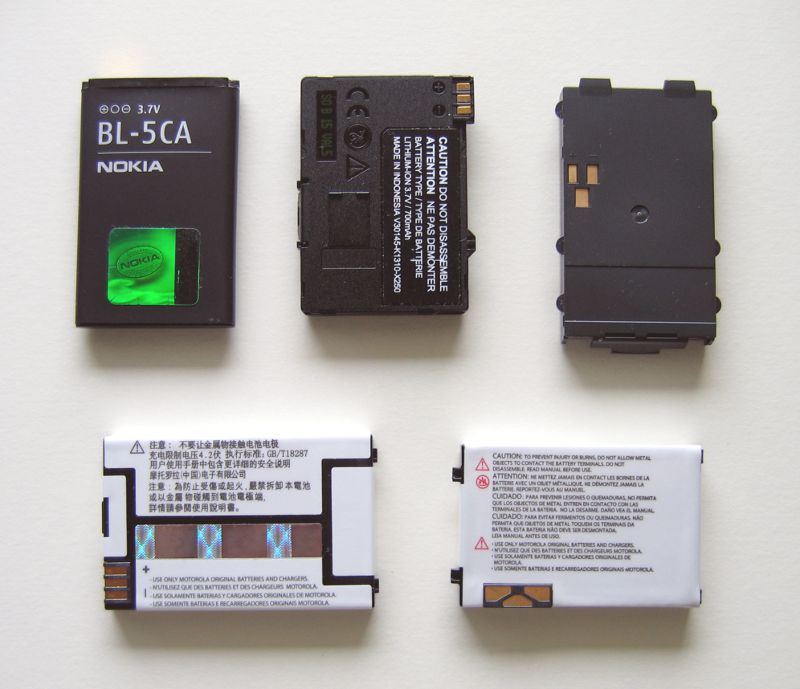
For twenty years, smartphone batteries improved at a grudging crawl while screens, cameras and processors sprinted. That imbalance may finally be ending. A new generation of batteries using silicon-rich anodes — the part of the cell that stores lithium ions — is shipping in commercial phones, delivering noticeably more capacity in the same volume or the same capacity in a thinner phone. It is the biggest step in mainstream battery chemistry since the lithium-ion era began.
Why silicon, and why it took so long
Silicon can store roughly ten times more lithium than the graphite used in today’s anodes. The catch is violence at the microscopic scale: silicon swells dramatically as it charges, cracking apart after repeated cycles. Solving that took two decades of materials science — nanostructured silicon, carbon scaffolds that give it room to breathe, and manufacturing processes that can be scaled to billions of cells. Reviews of the technology in journals and briefings trackable through Nature show the problem moving from ‘unsolvable’ to ‘engineered’ in the last few years.
The commercial proof is now in pockets. Several flagship phones already use silicon-carbon cells to reach capacities that would have been impossible in their thickness two product cycles ago. On notontech.com our reviewers measure the difference less in headline hours than in behaviour: phones that comfortably end the day at thirty percent instead of begging for a charger at six.
What it unlocks next
Energy-dense cells change design trade-offs everywhere. Designers can slim phones without surrendering battery life, or spend the density on brighter screens, bigger camera sensors and on-device AI features that are notoriously power-hungry. Wearables gain most of all: a watch or smart ring is a battery wearing a computer as a hat, and doubling the cell’s density transforms what it can do.
Our Technology team adds the cautions. Silicon-rich cells currently cost more, fast-charging stresses them differently, and long-term ageing data in the real world is still being gathered. The industry’s next argument — solid-state batteries — remains years from mass production, which is precisely why the silicon step matters: it is here, it is shipping, and it makes every other part of the phone easier to build well.
The quiet revolution in your pocket
Battery breakthroughs are usually announced a decade early and delivered never. This one snuck in through the supply chain while everyone watched the screens. If your next phone feels impossibly thin yet lasts all day, you will know which component to thank — the one that finally caught up.
Reading the spec sheet like an adult
For buyers, the silicon era changes what to look for. Capacity figures in milliamp-hours are finally moving again, but they are only comparable within the same phone size; what matters is the combination of capacity, charging speed and the manufacturer’s record on battery longevity — how much capacity remains after two years of daily cycles. Reviewers are beginning to test exactly that, ageing cells under controlled fast-charging to see which chemistries degrade gracefully. The prudent advice in the meantime is unchanged in spirit: a phone whose battery you can replace or affordably service will outlive several spec-sheet champions. Density is the headline; durability is the story.
